
Woongtaek Choi
Woongchun, where he is based, is not only the origin of the "Ido Dawan(tea cup),"
which is designated as a national treasure of Japan, but it also serves as the foundation of domestic tea culture.
This area was one of the three ports opened by King Sejong of the Josun Dynasty in 1426 and has historically been a prosperous industrial hub that actively exported ceramics and various goods to Japan since ancient times.
However, it also bears the scars of its past, having suffered a devastating loss when the Japanese army plundered
its ceramic industry in 1592, forcibly deporting around 170 Josun potters and their families to Japan.
Born and raised in Woongchun, he played with fragments of Chasabals from the Josun Dynasty as a child, dating back 400 years.
He believed his inevitable destiny was connecting with the earth and preserving the Woongchun pottery tradition.
It seemed only natural for him to come here, driven by the belief that carrying on the spirit of his ancestors
and creating great works was his purpose in life.
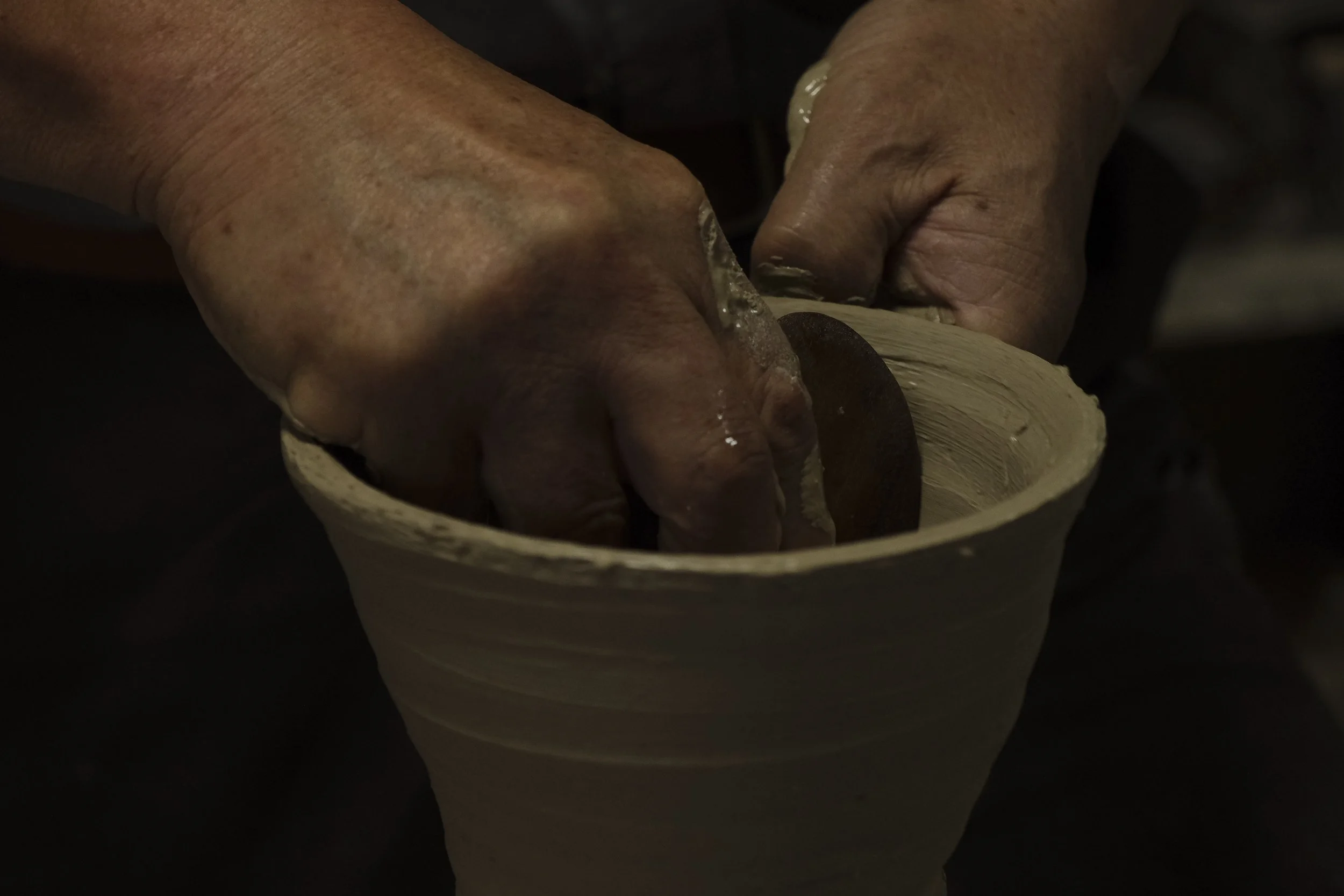
He continues to insist on using only the potter's wheel, just as the potters of the Josun Dynasty did.
He believes that a bowl lacks life and character without the potter's wheel.
The bowl is shaped as the wheel turns, allowing energy to infuse the tea bowl and giving rise to the Woongchun bowl.
In this land, where time seems to have forgotten its history, he dedicates himself to honoring the memory of his ancestors.
Every year, he holds a memorial service to comfort those who endured this hardship
and to appease the spirits of the departed potters of Woongchun.
He has devoted his life to the singular goal of reviving their artistic spirit.
"The mind reaches a point where it connects with the earth and finds balance.”
He also states, " It's not the result of creation. It must be reproduced before creation can be based on it.”
This implies that he has lived a life of understanding and adapting to the natural world.
His insights stem from the repeated cycles of time, much like our everyday lives.
The calloused fingertips he possesses are a testament to his extensive experience.
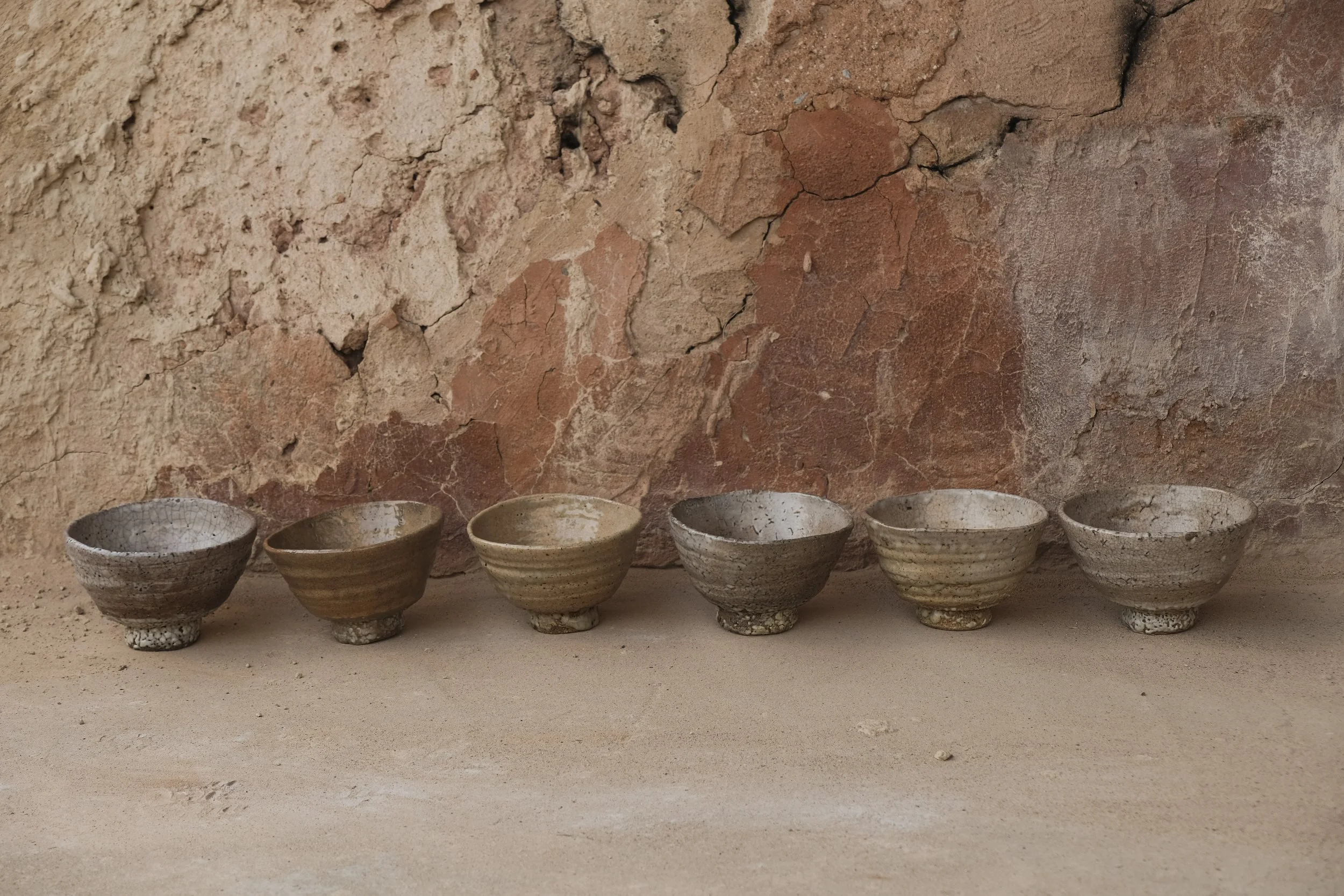
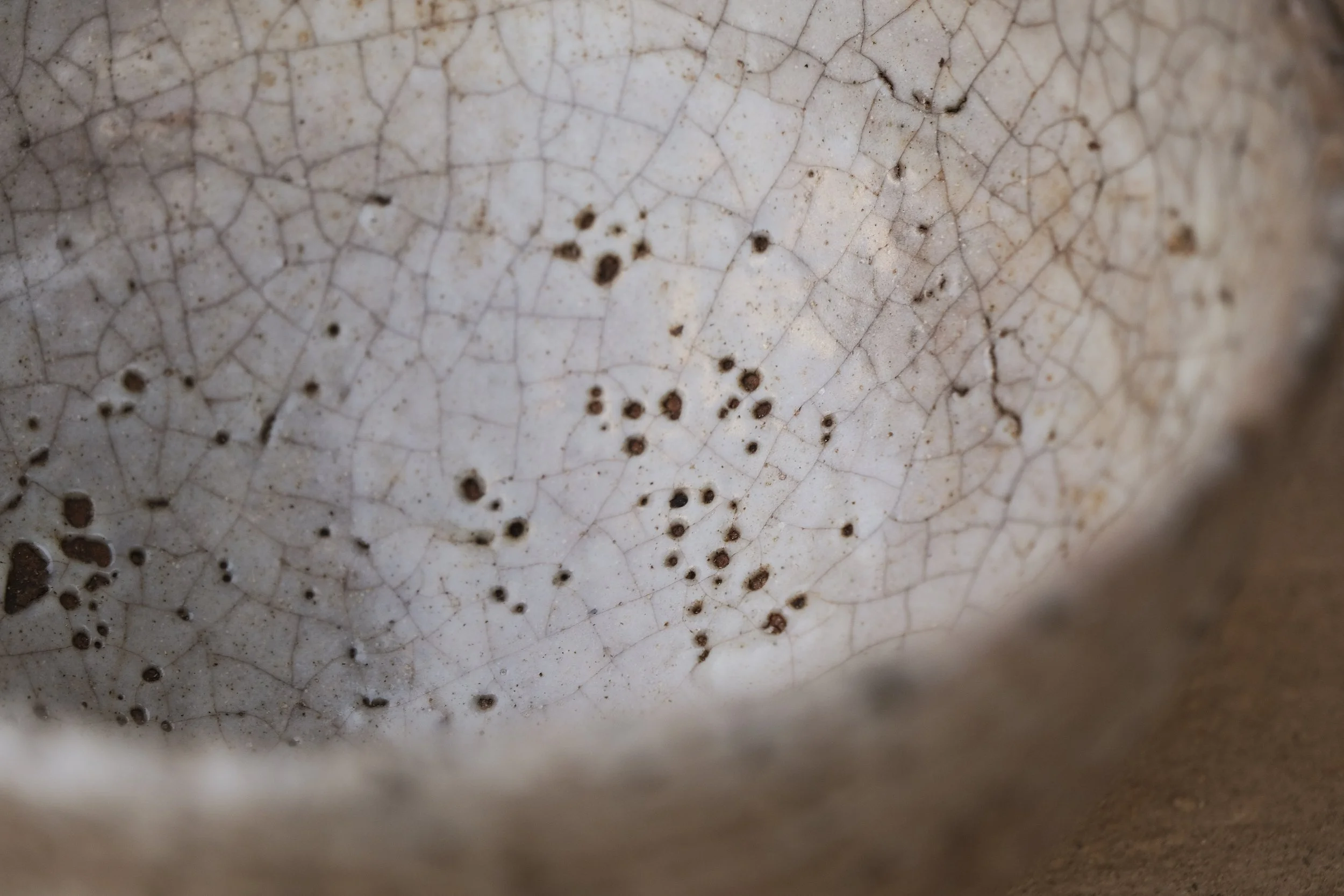
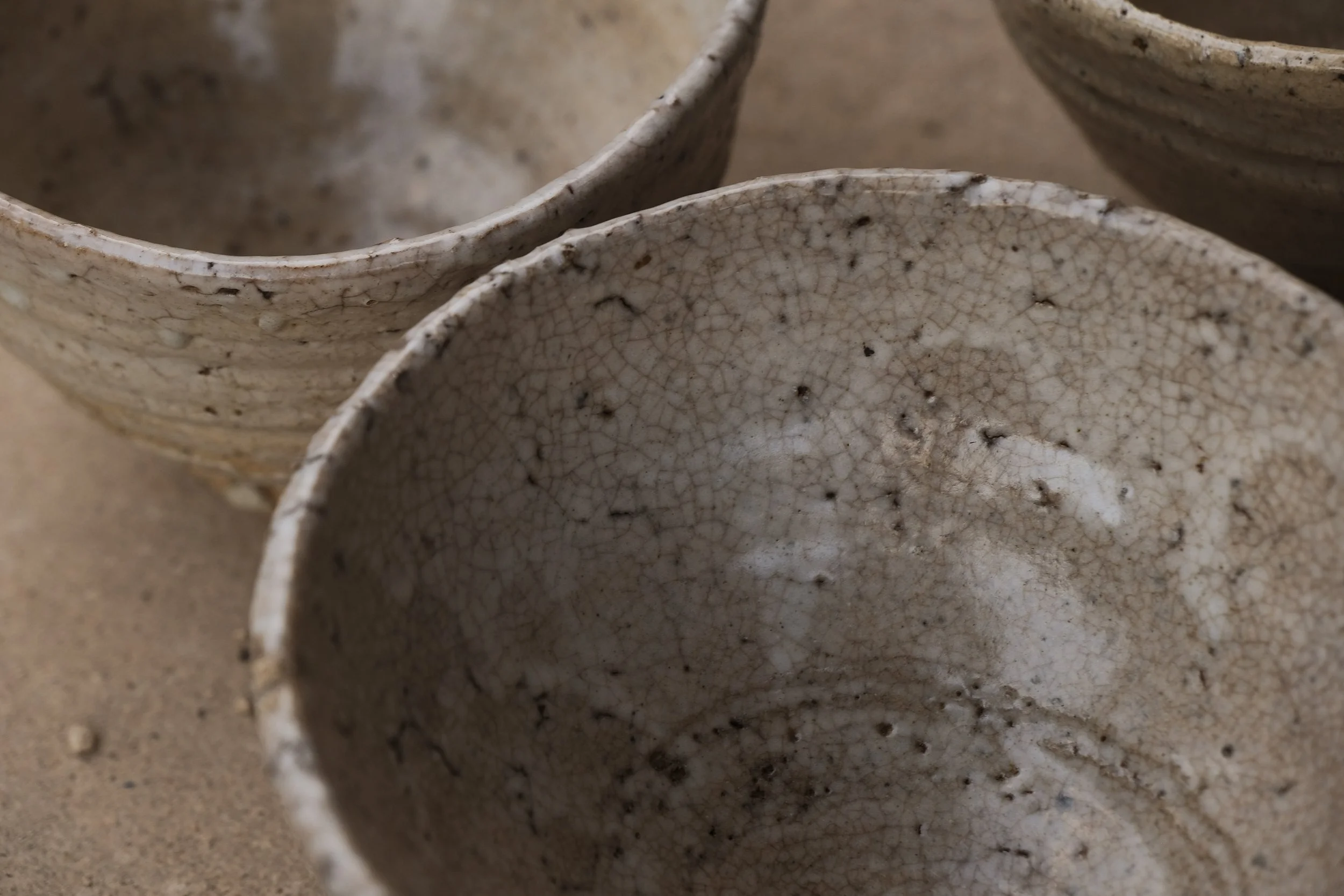
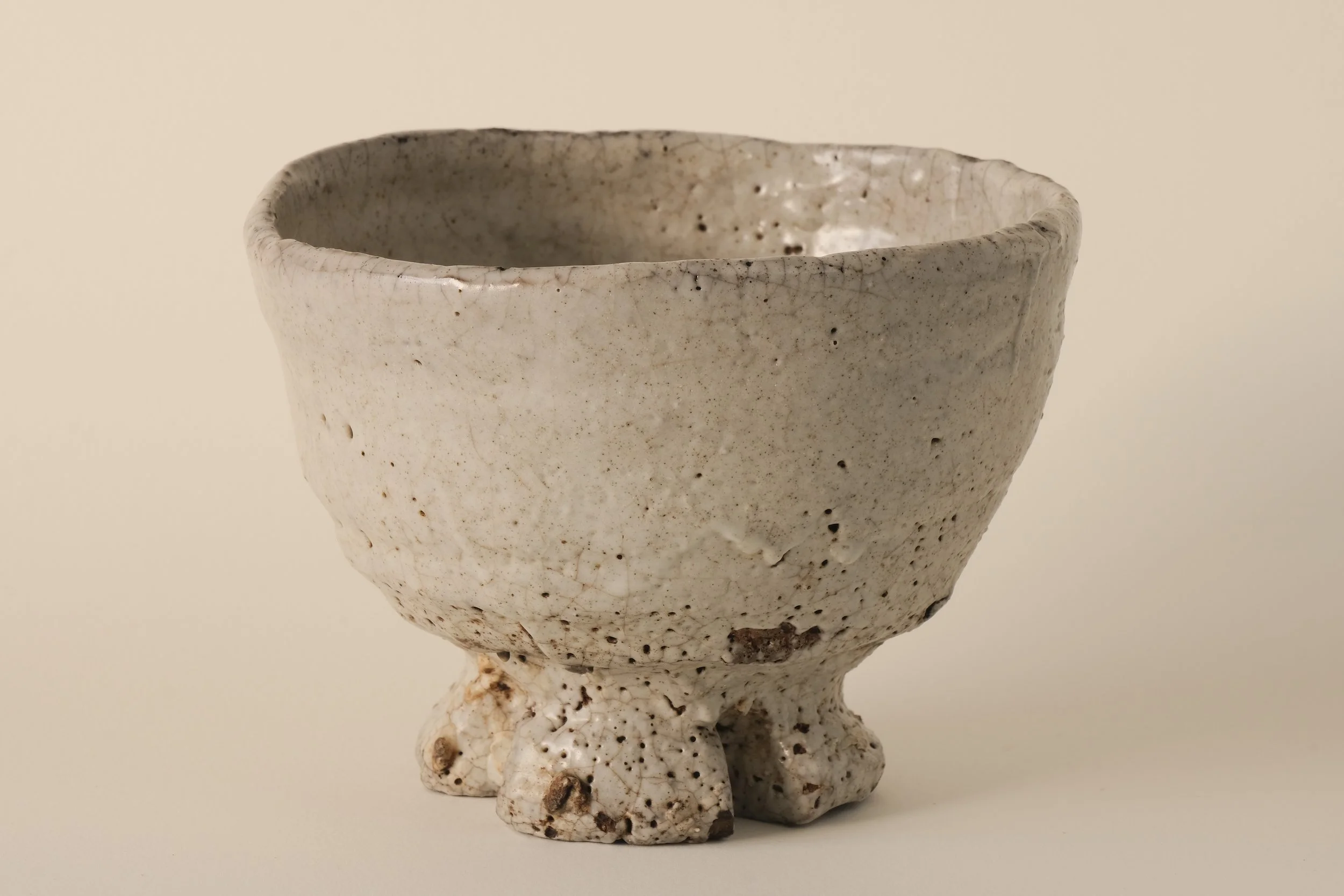
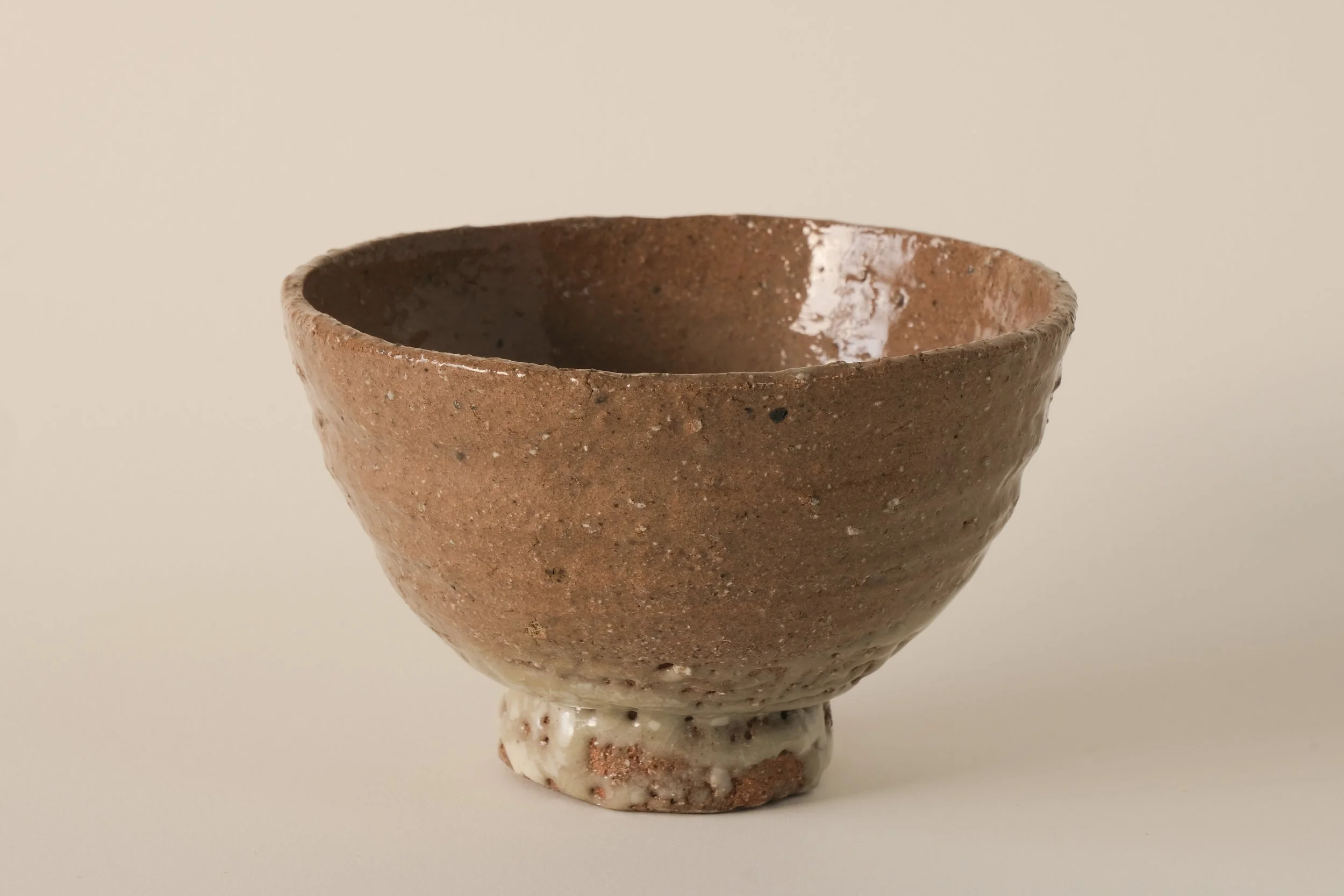
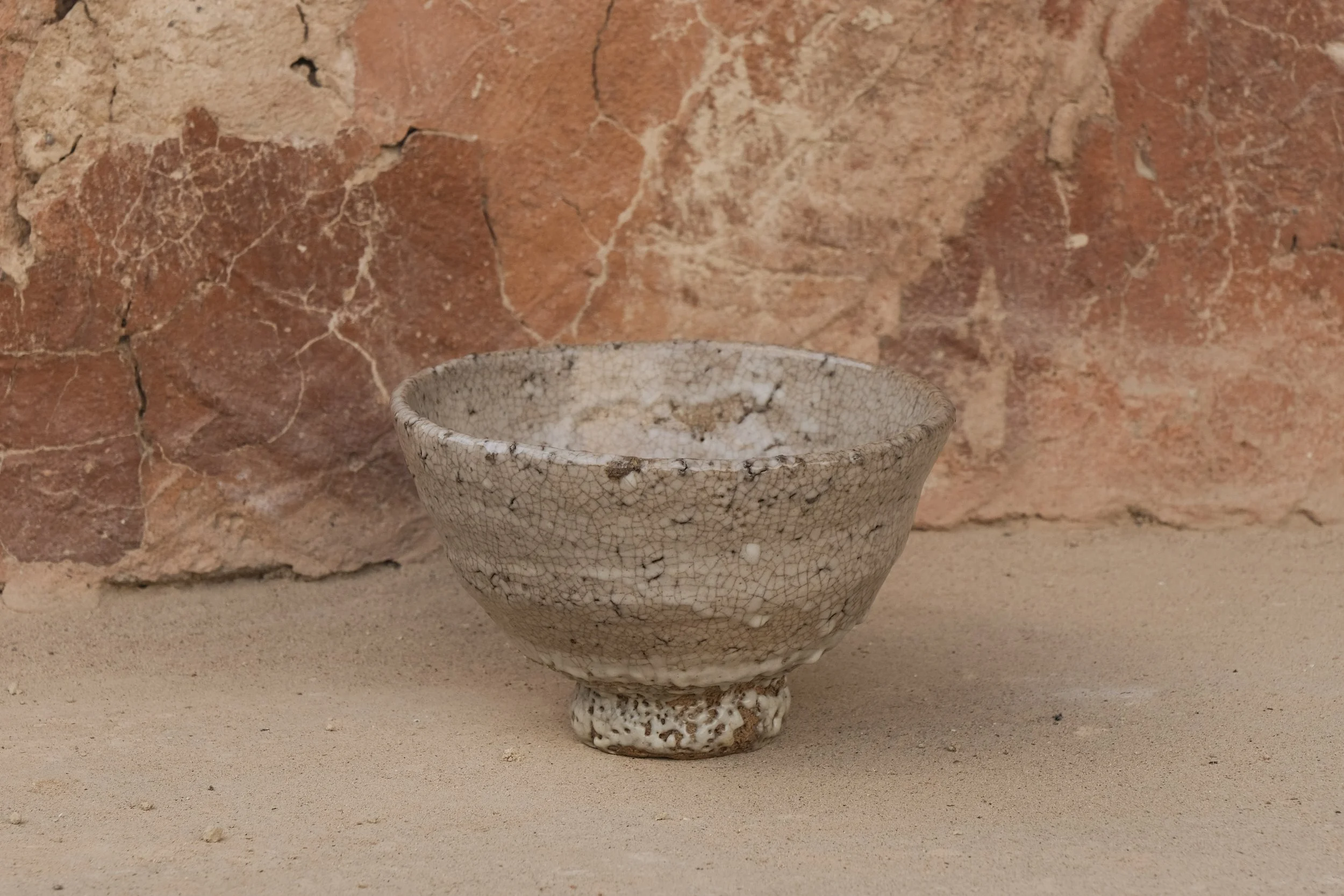
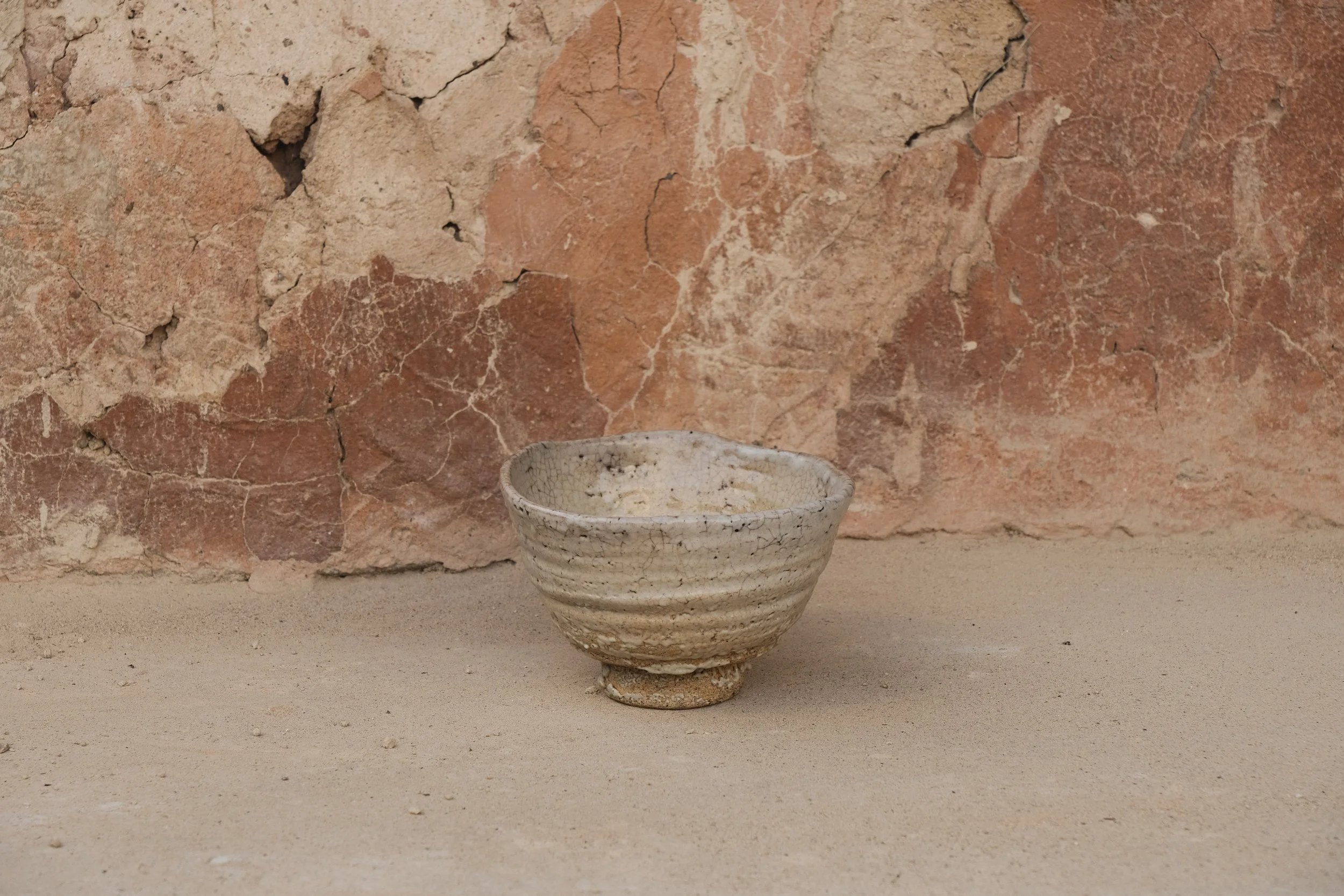
The appeal of Chasabal lies in its ability to capture elements of our lives, often without us even realizing it.
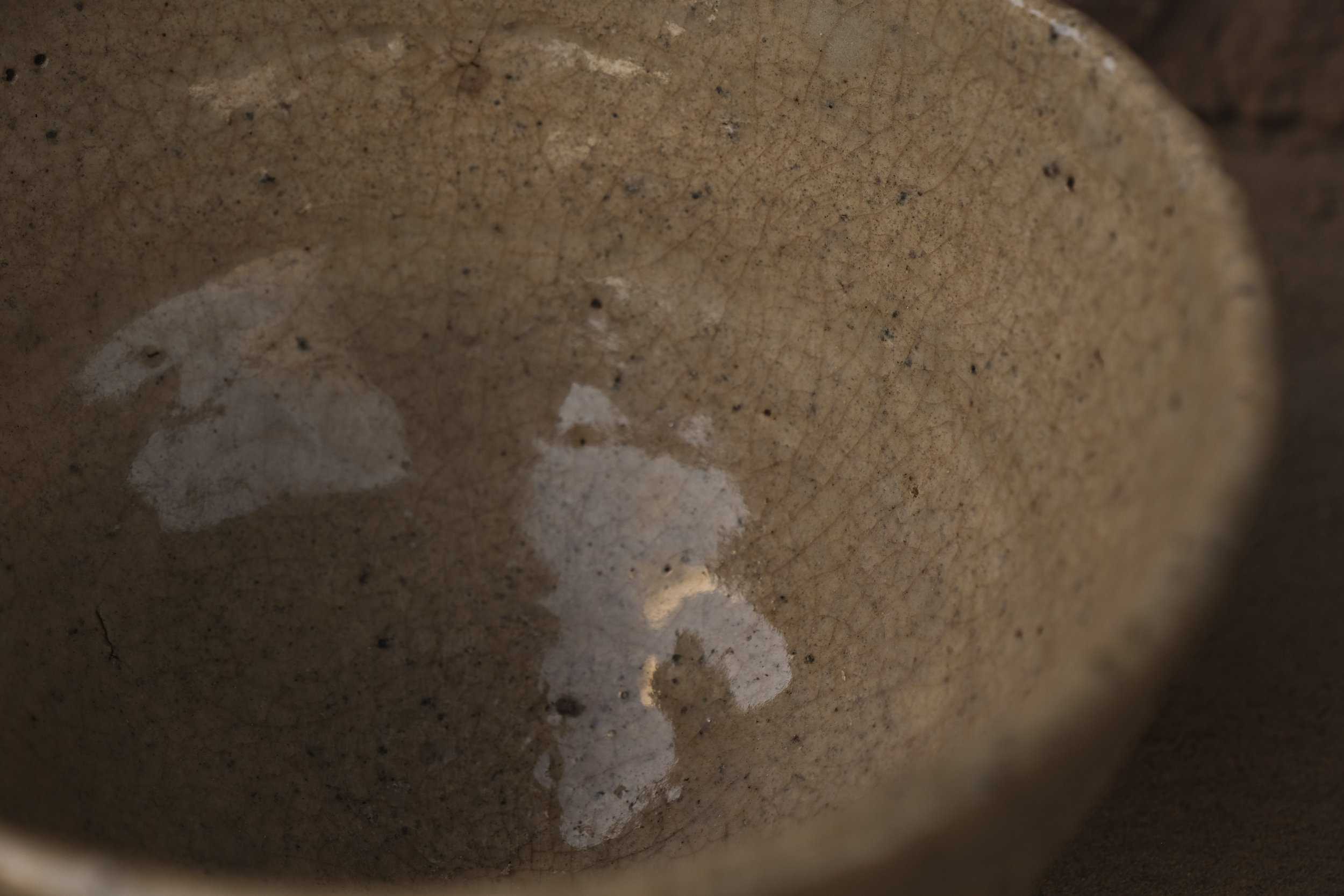
No two Chasabals are identical; each one has its own unique personality.
This subtle variation is also reflected in our everyday lives, where we frequently repeat the same actions.
Born 1955
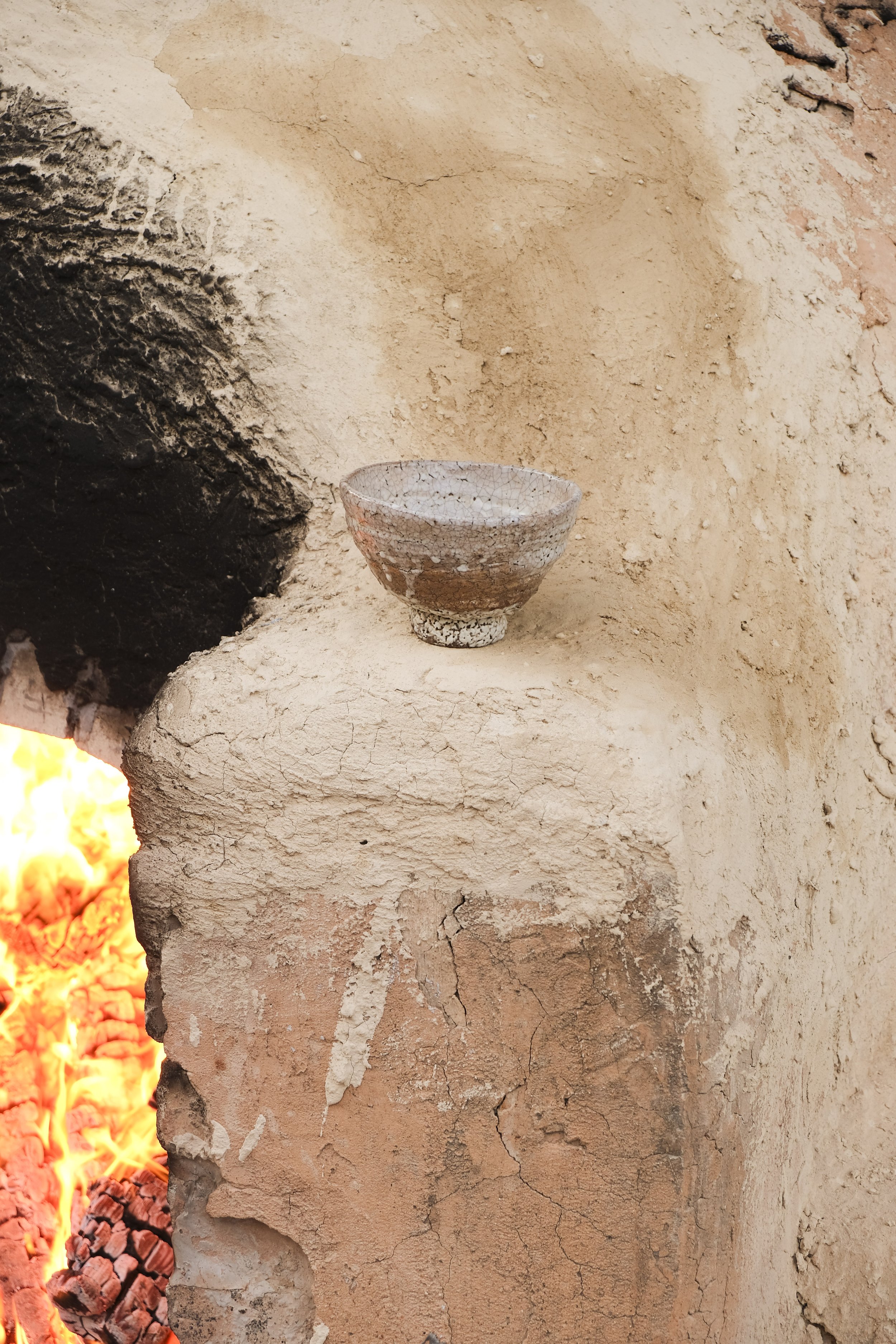
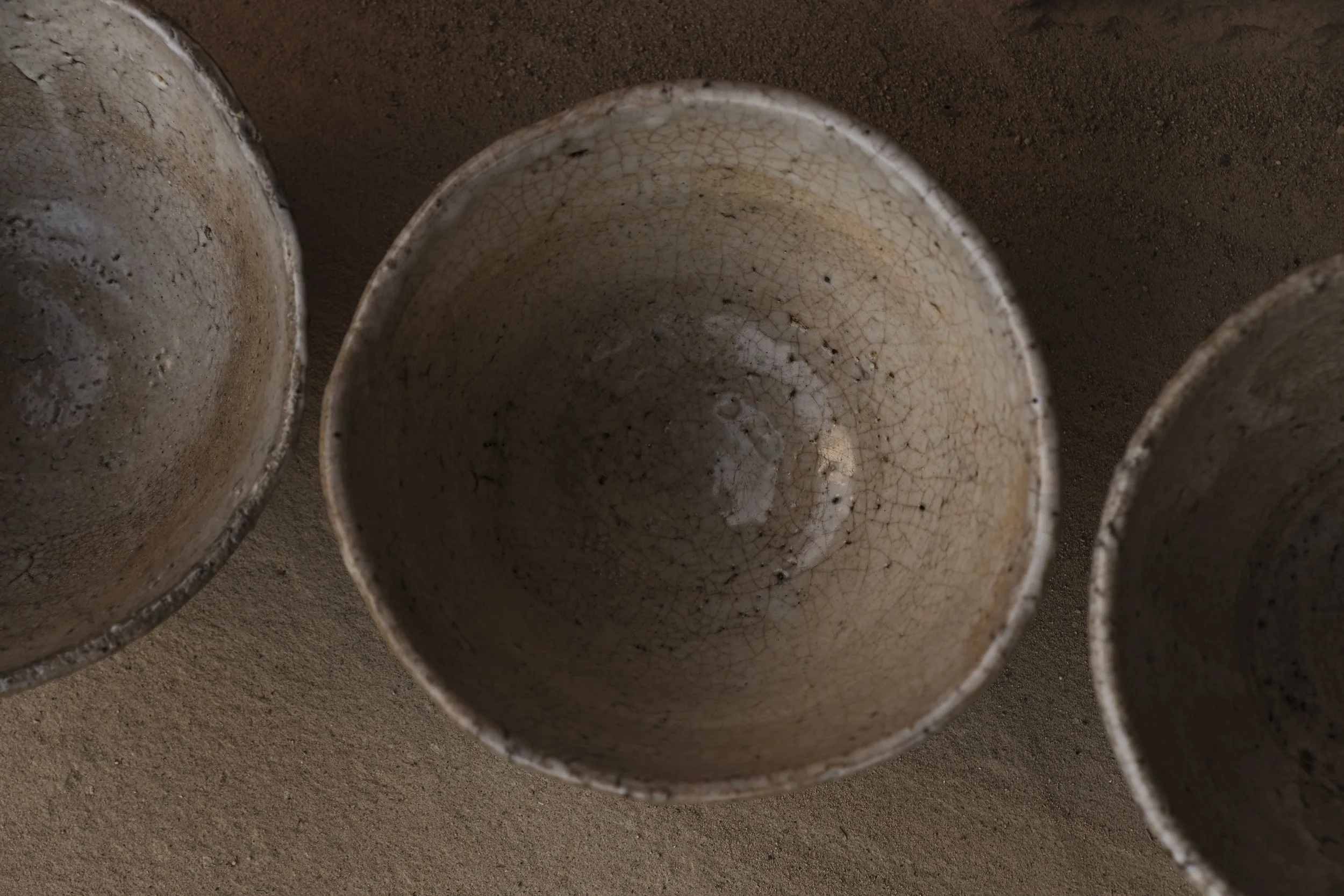
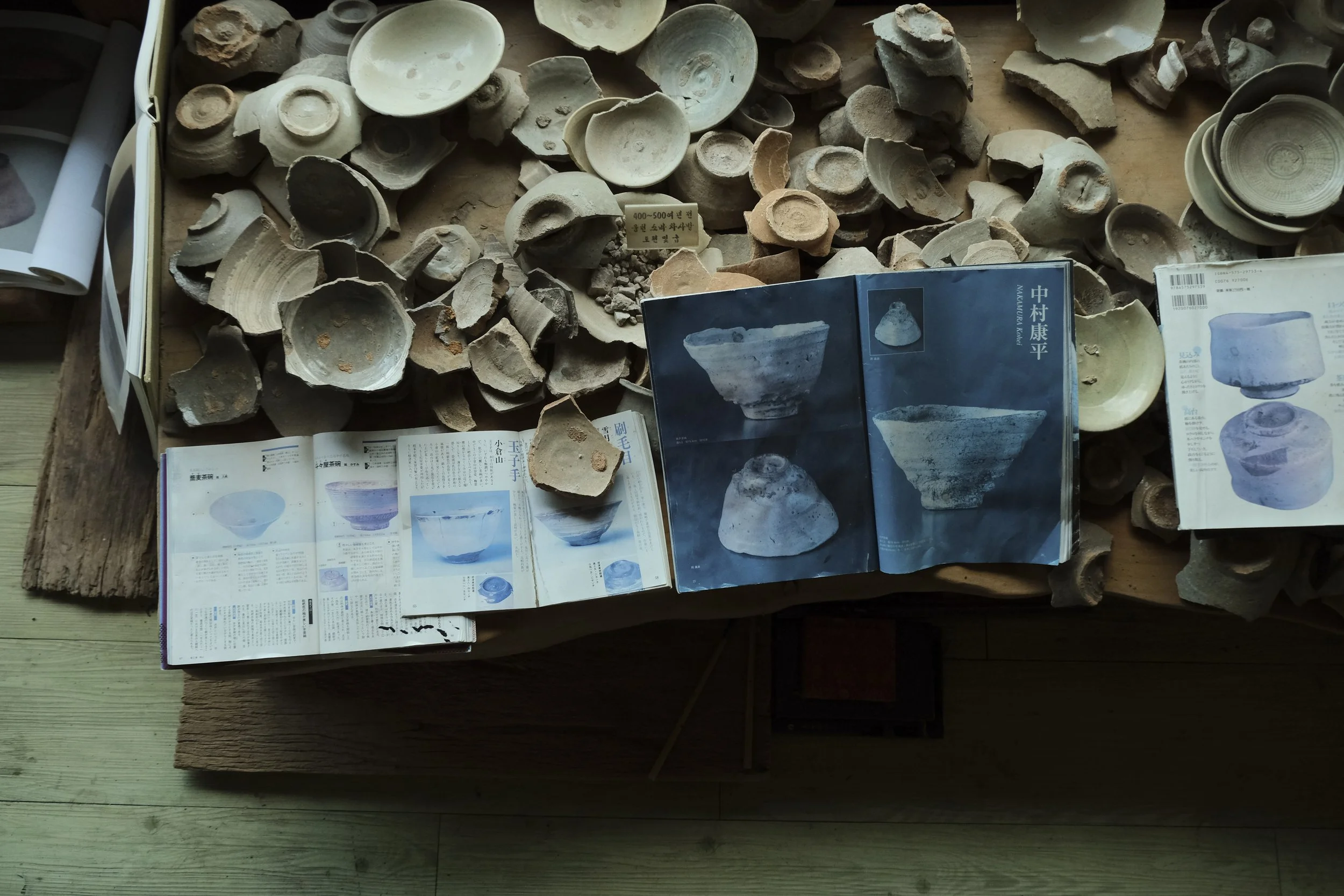
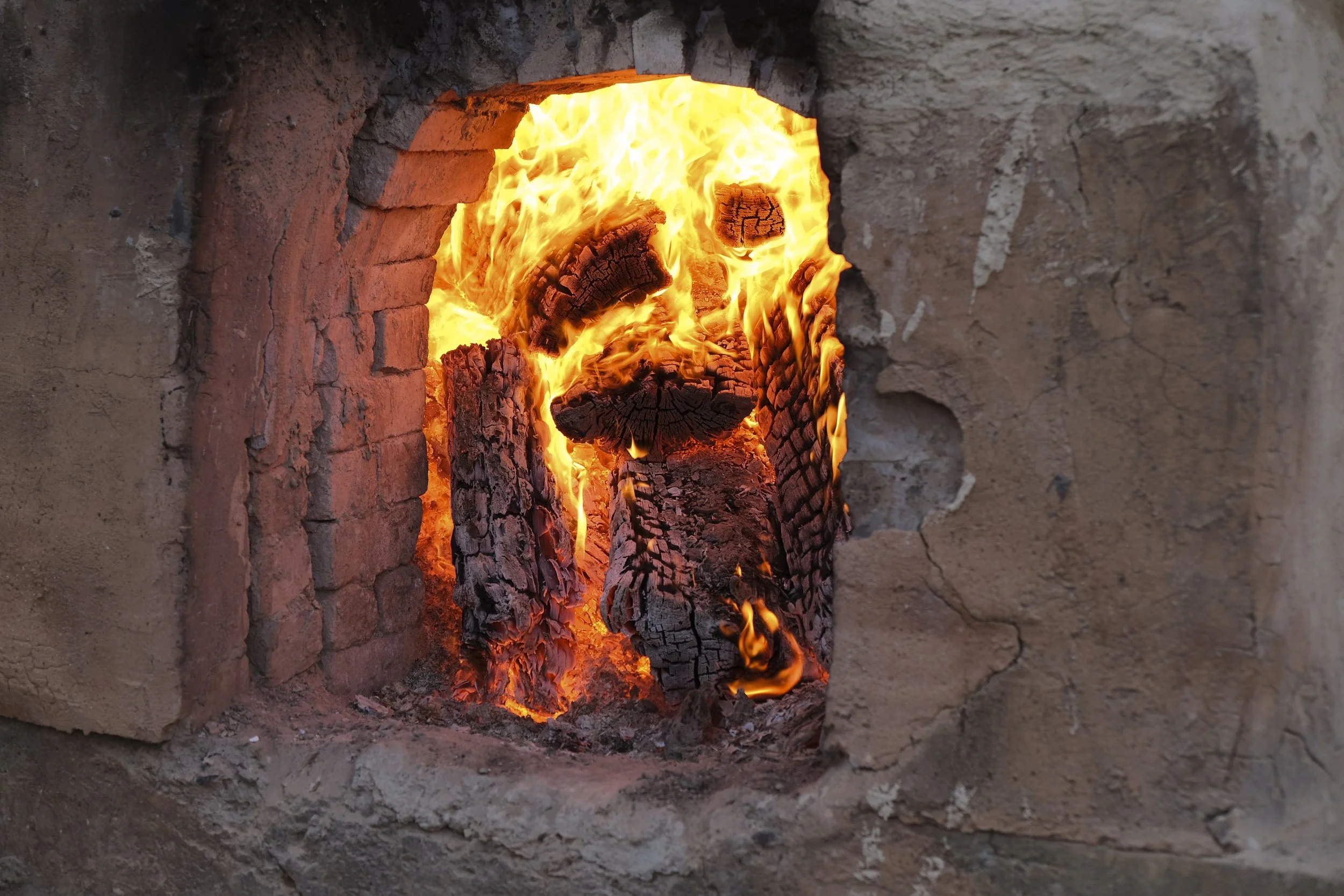

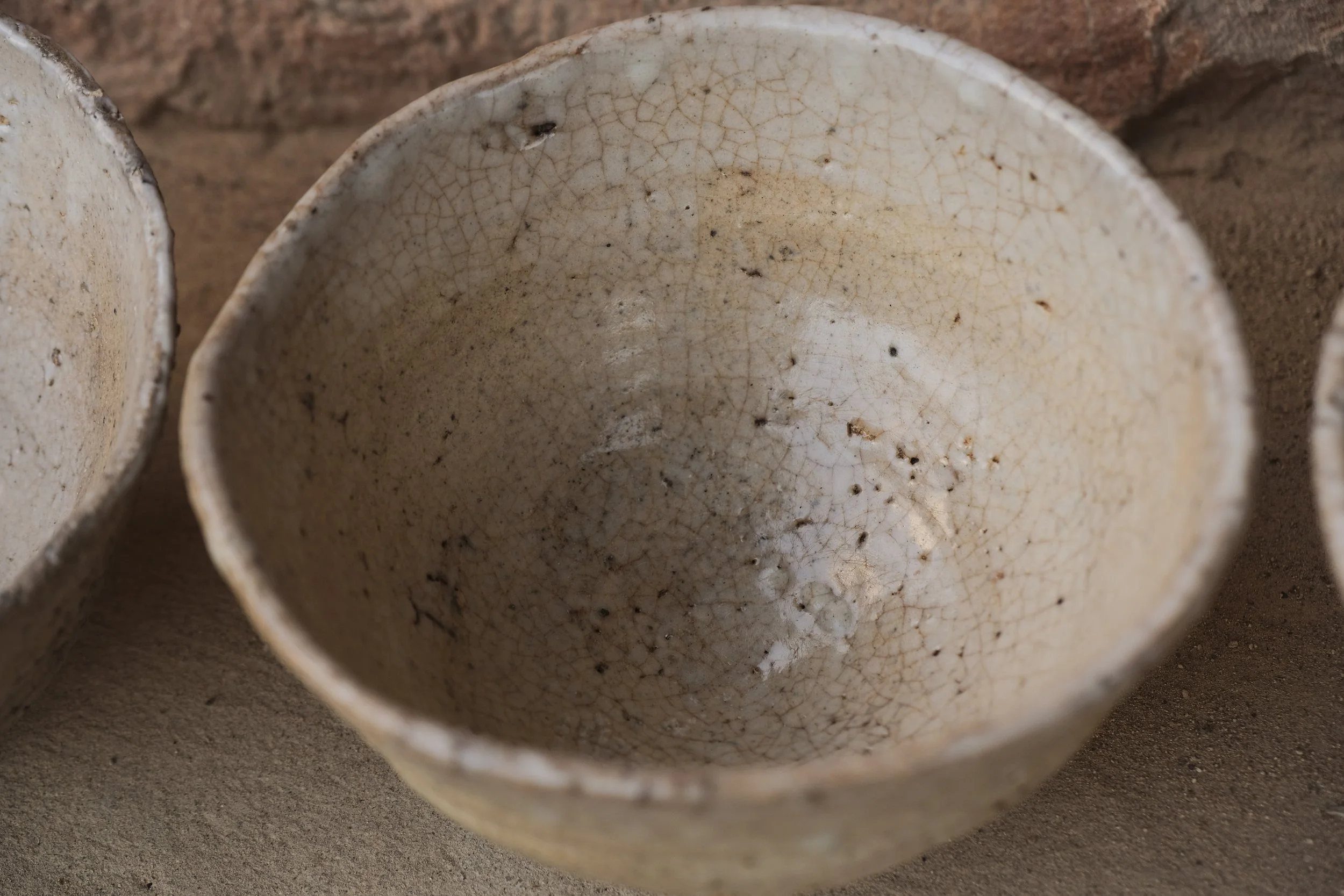
Chasabal #1
Chasabal #2
Chasabal #3
Chasabal #4