
Byungyong Yang
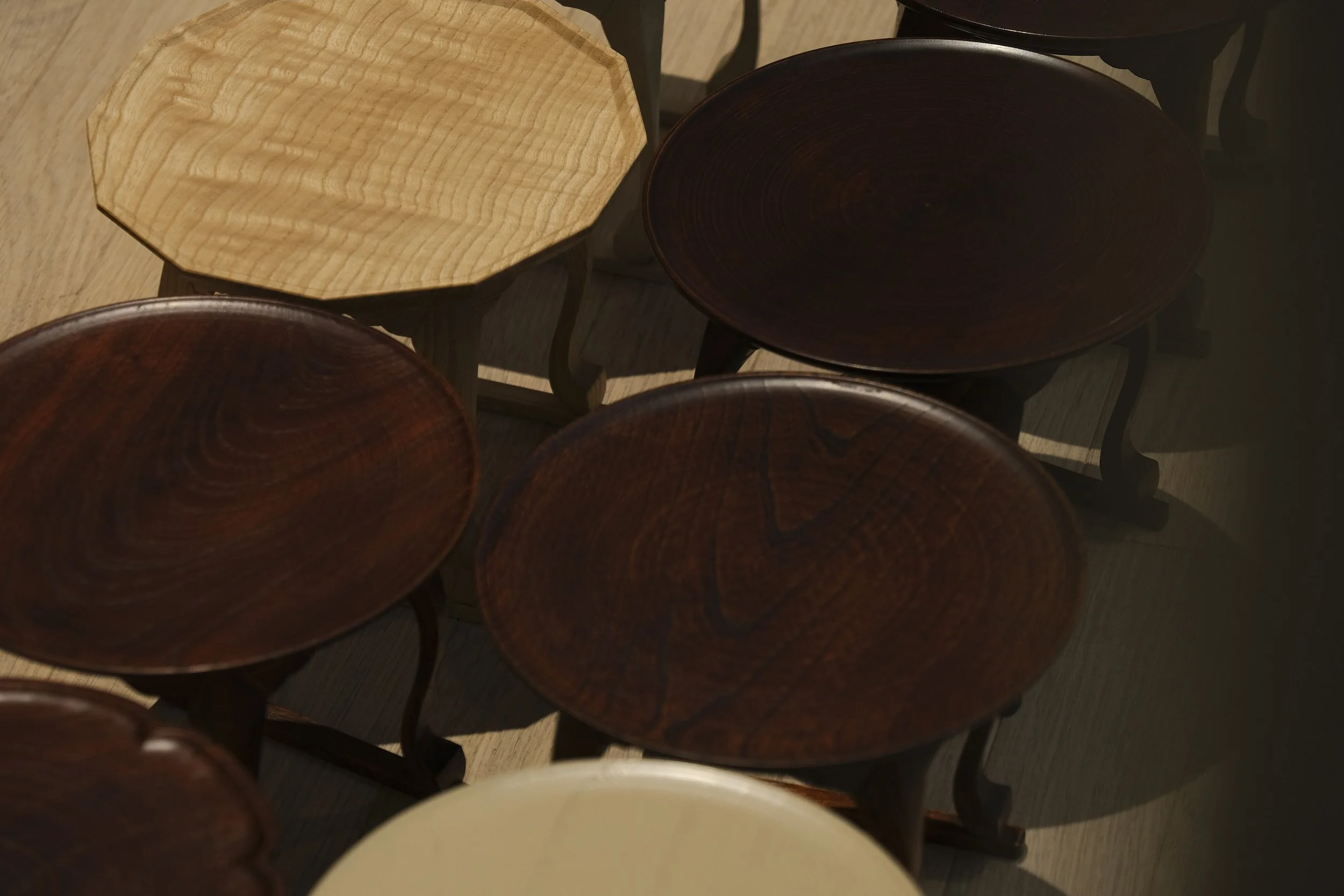
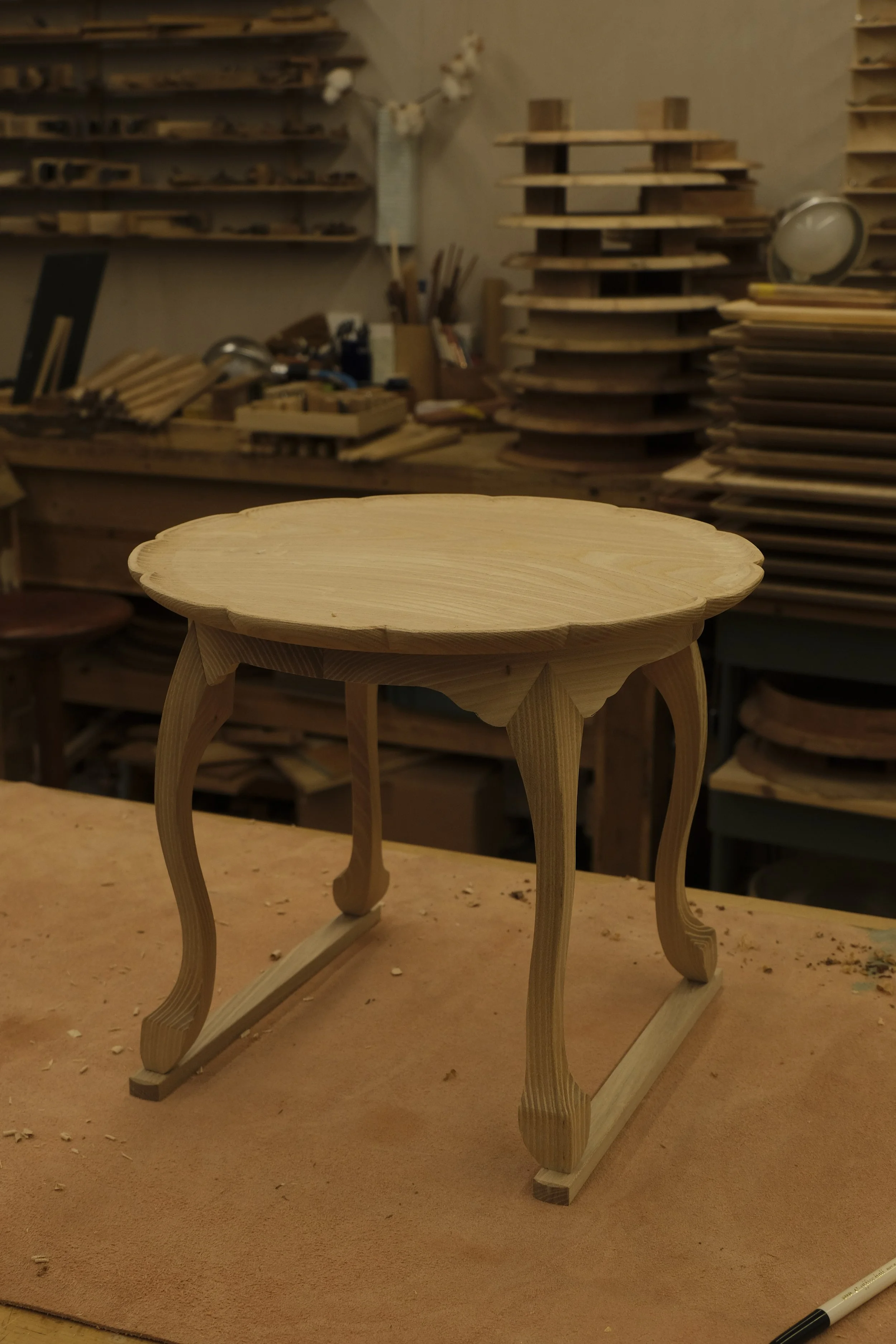
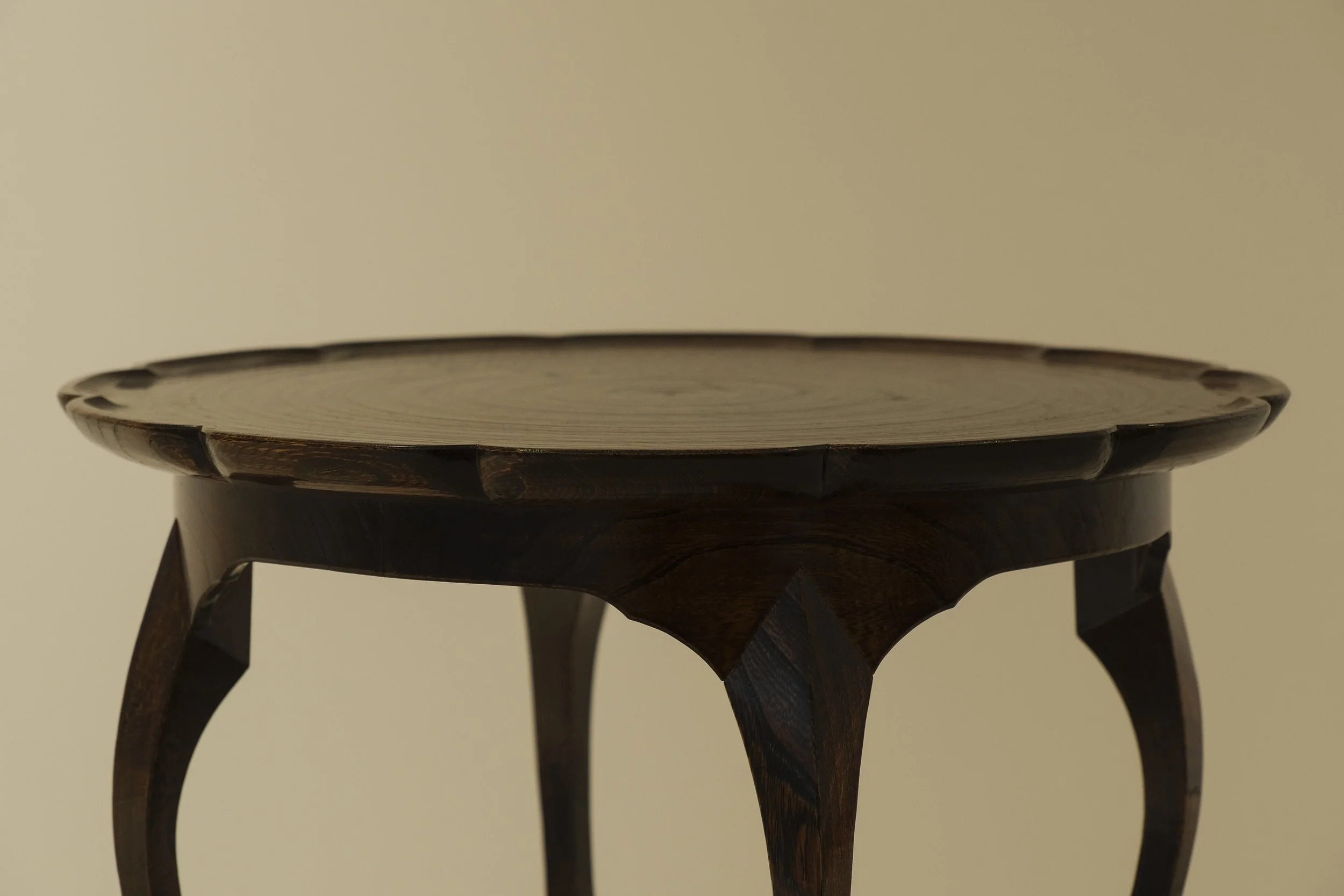
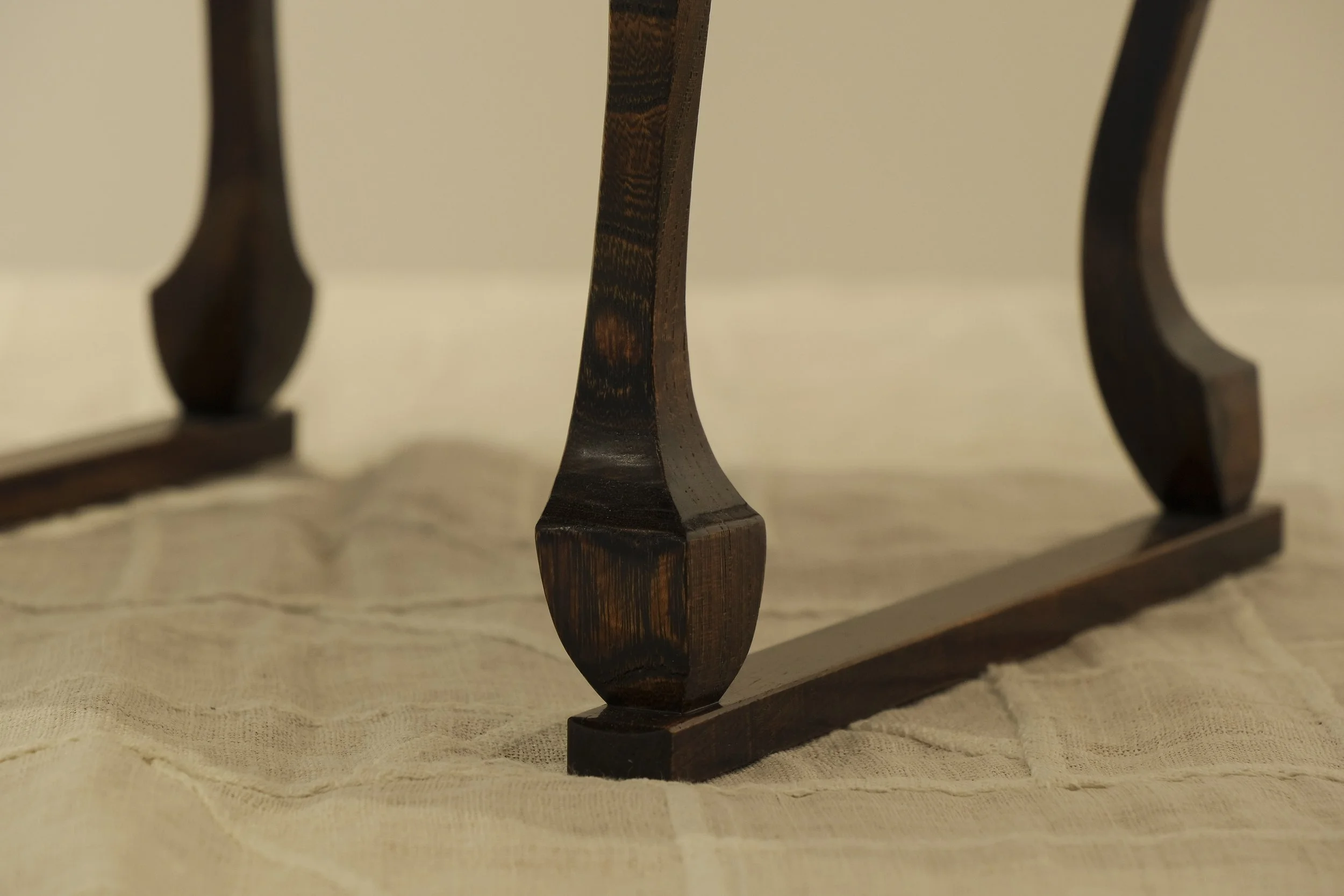
The small table, which represents the concept of eating alone, has naturally declined in use as sedentary lifestyles have developed and communal meals have become more popular.
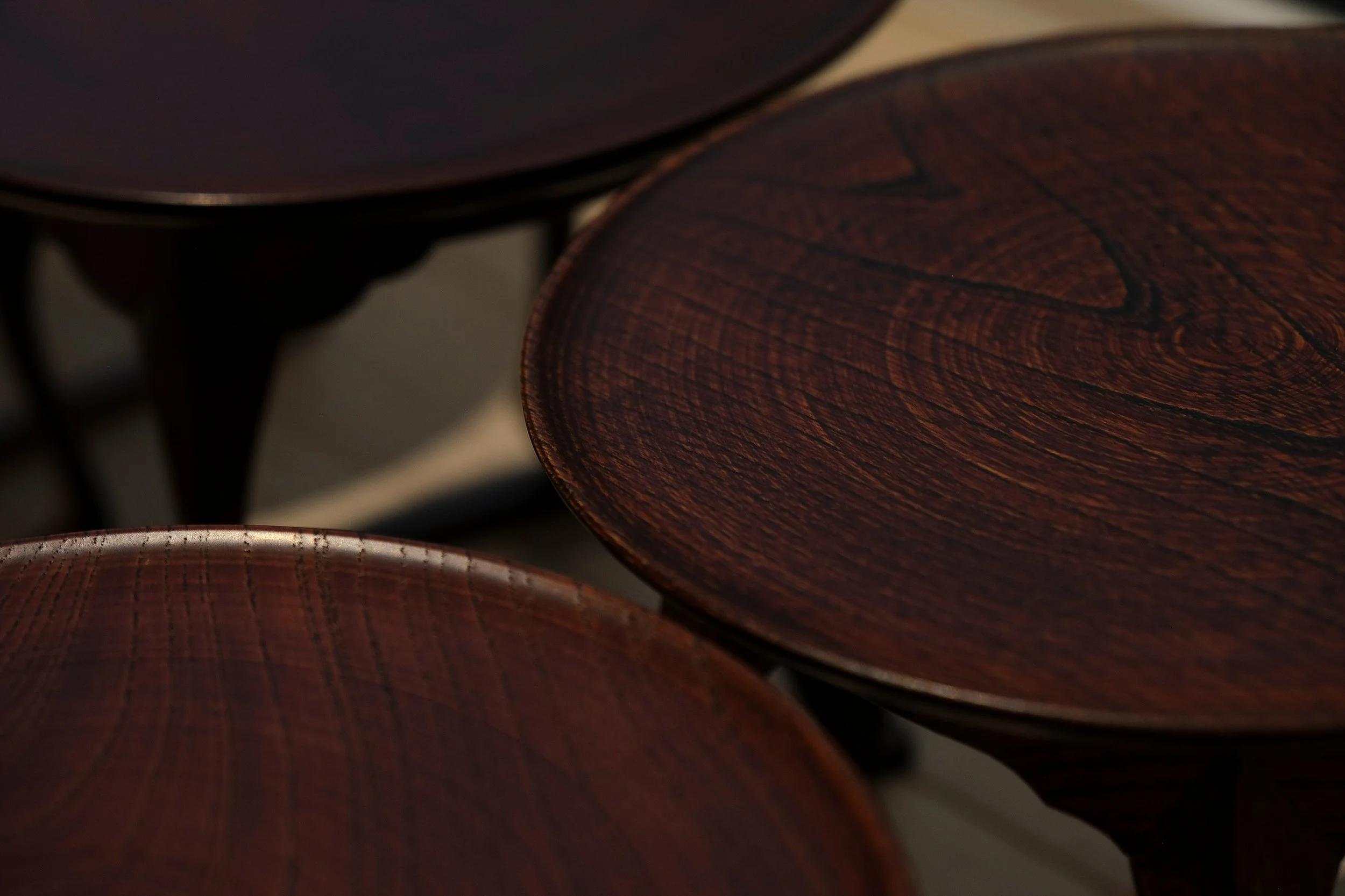
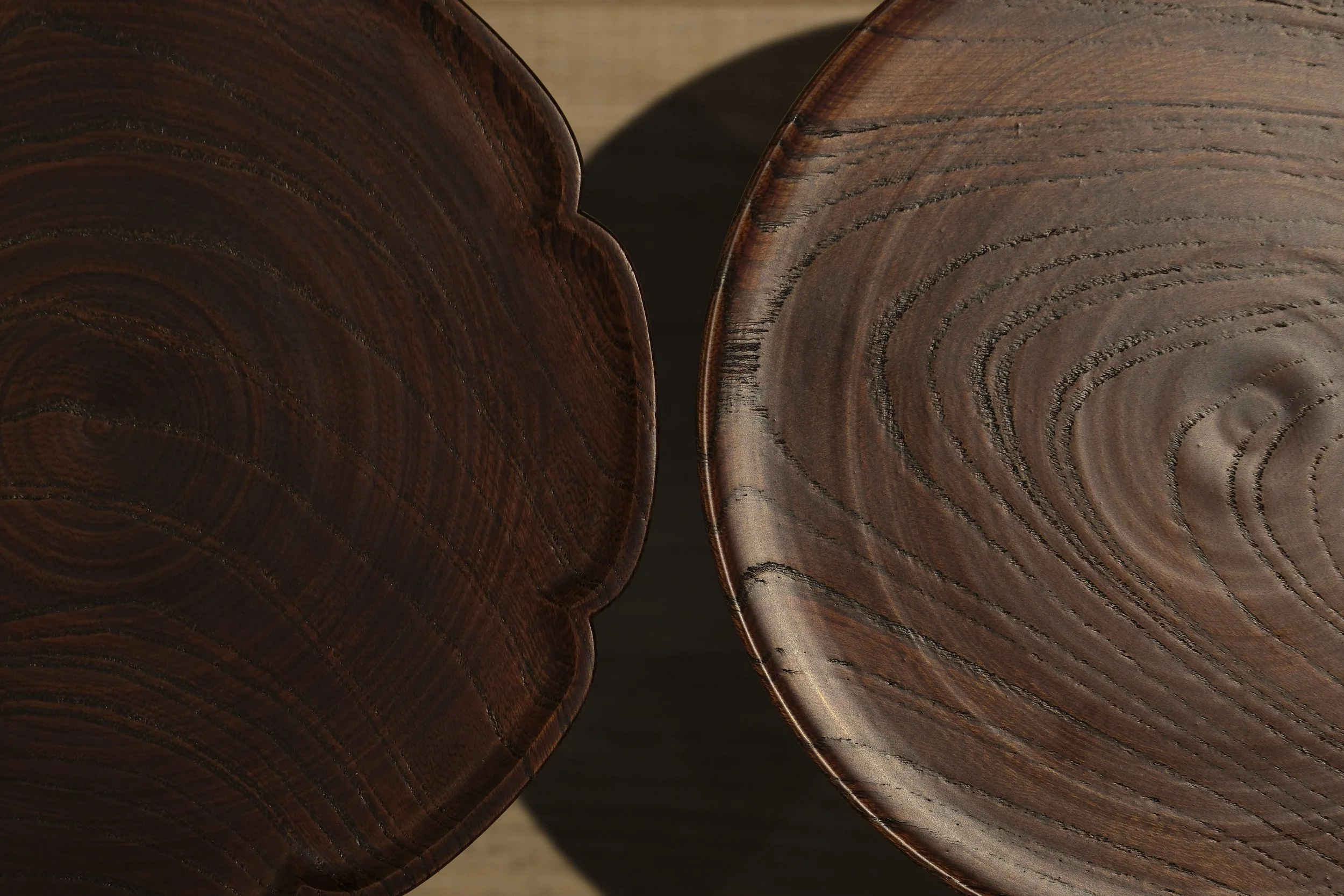
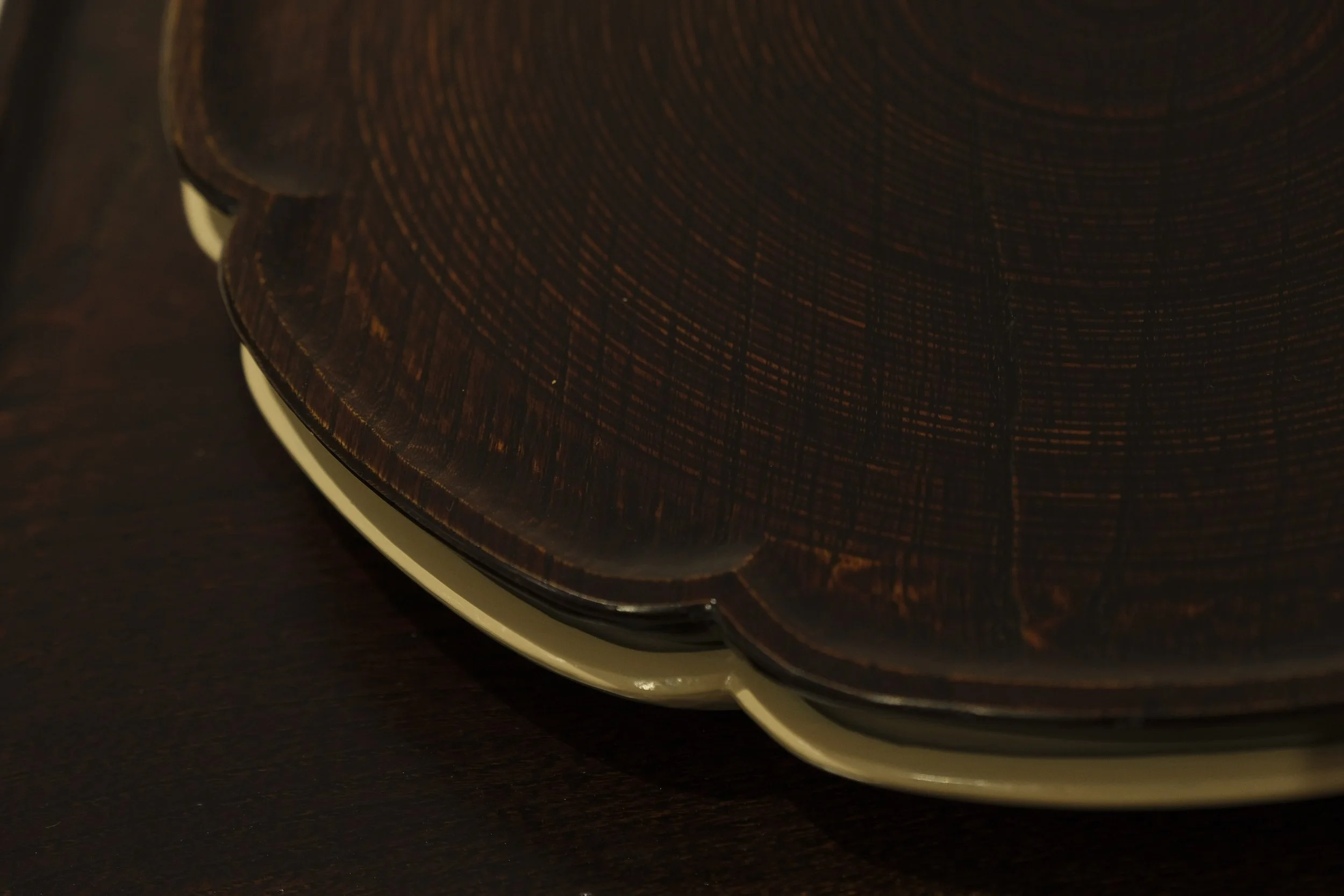
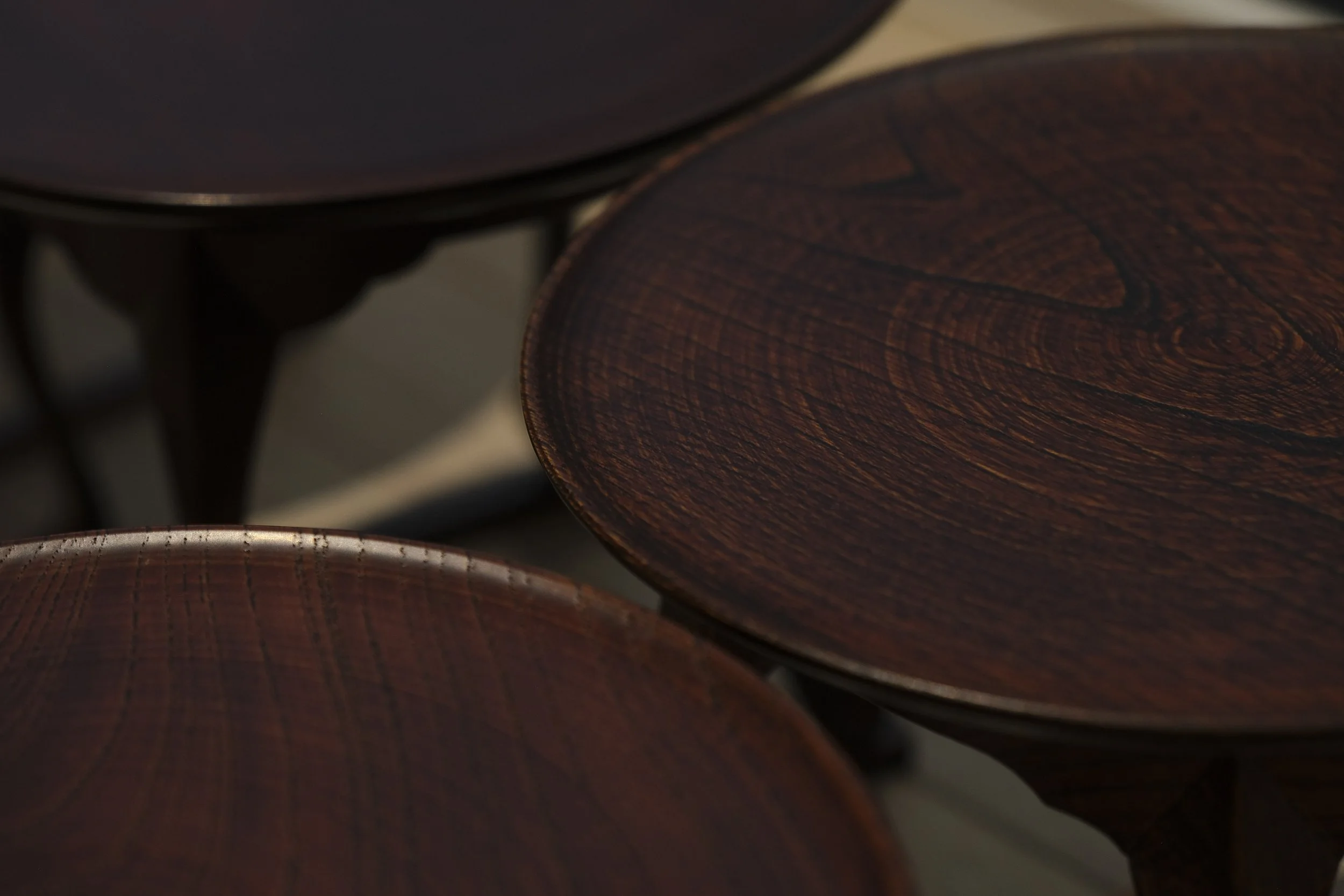
When he creates a round tray, he intentionally leaves the marks made by the lathe and chooses not to sand them down.
"I prefer to showcase the traces of my hands," he explains.
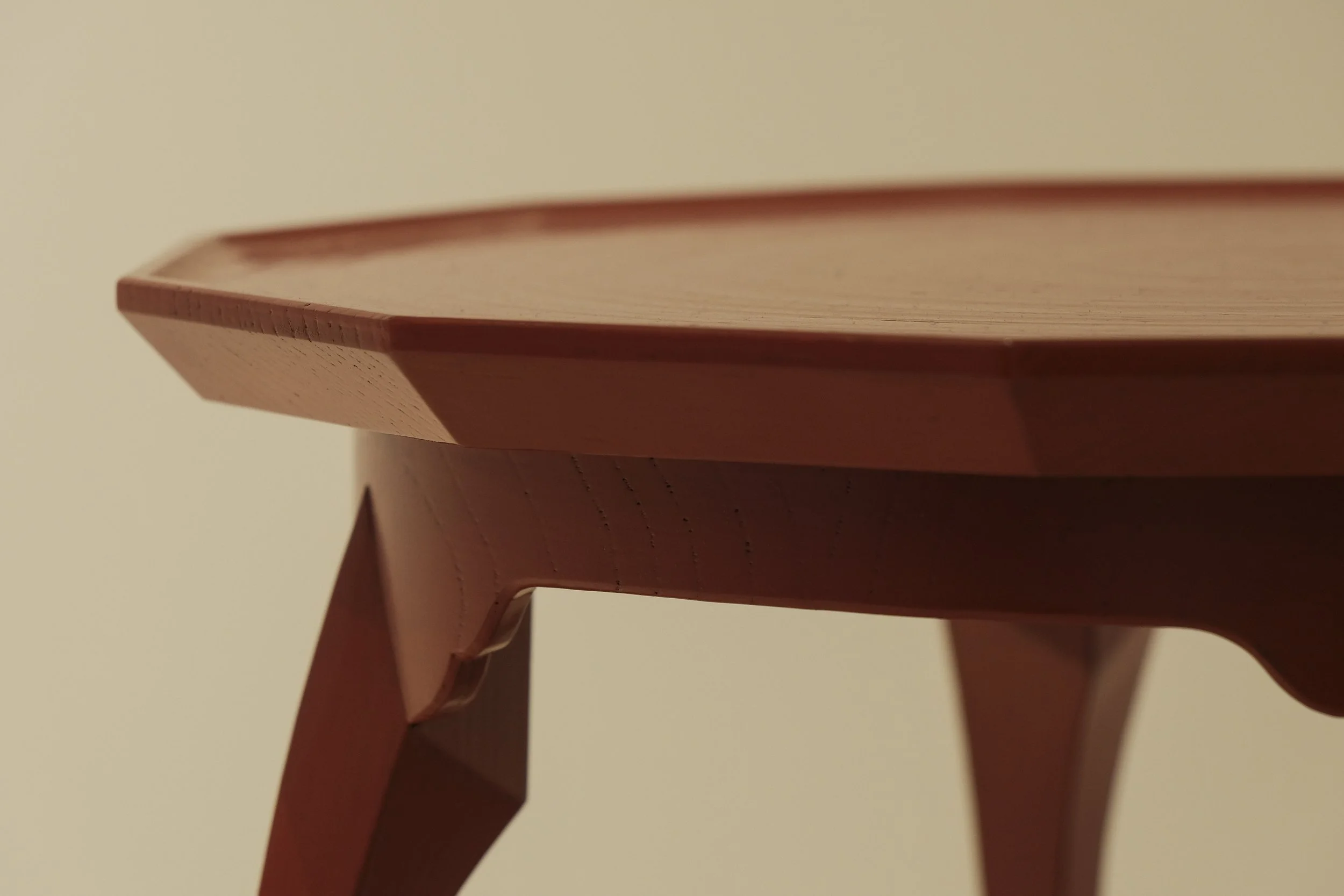
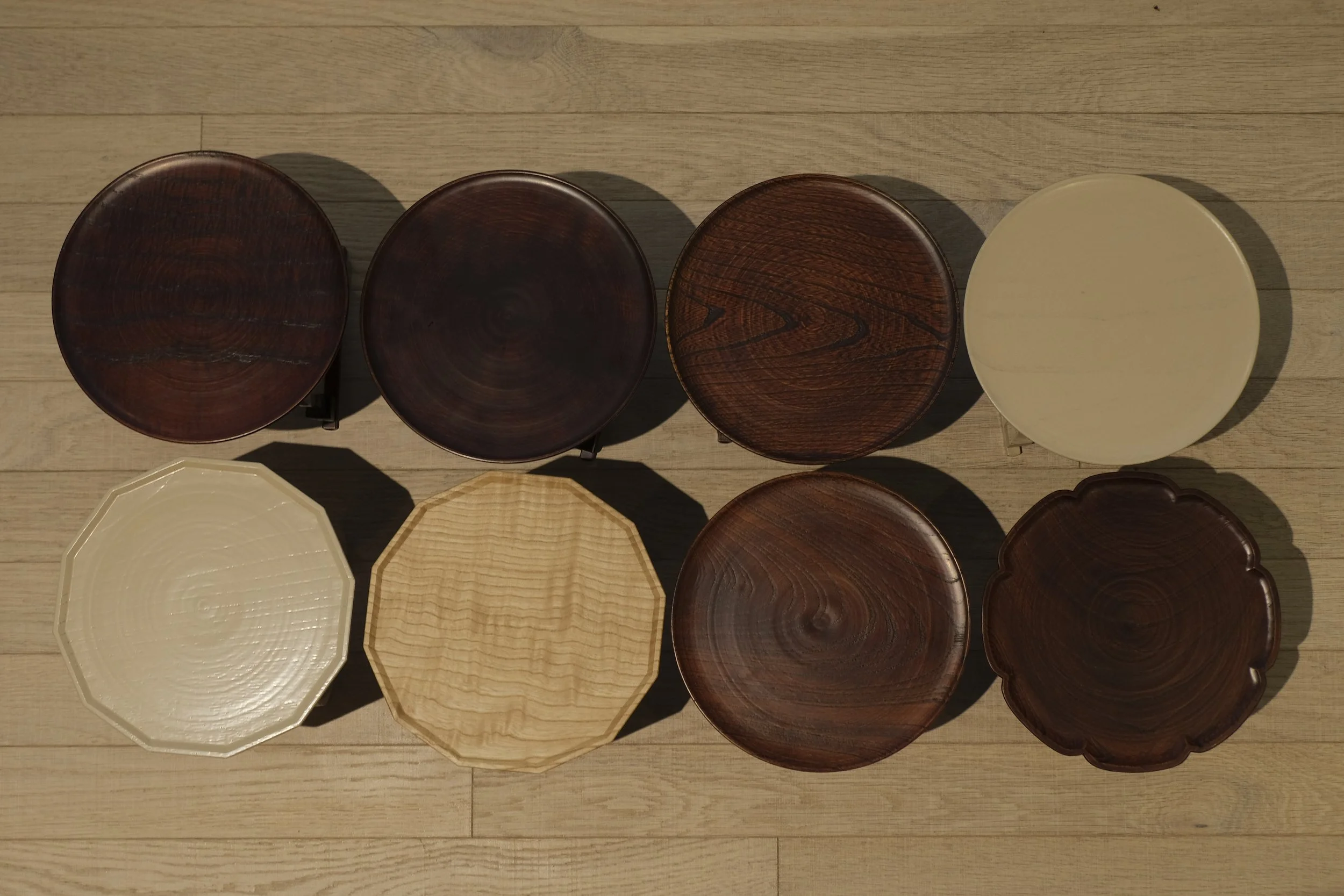
The finished trays are lacquered in various colors—red, white, black, and brown—
depending on the type of wood used, such as cherry, maple, ginkgo, and zelkova.
Because the small trays are cut according to the specific dimensions of each piece of wood, they rarely have a uniform size.
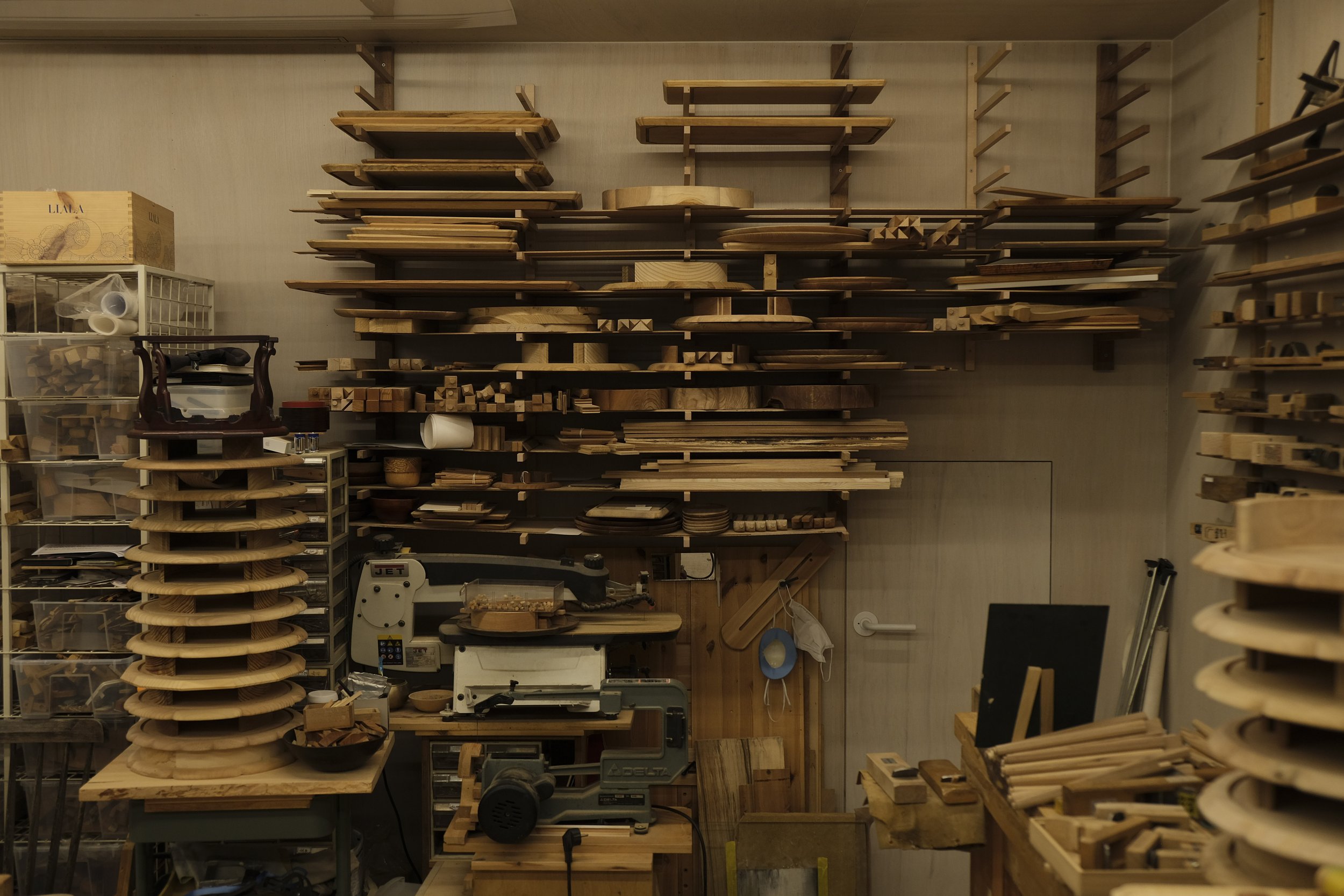
He starts the process by measuring the thickness and dimensions of the wood,
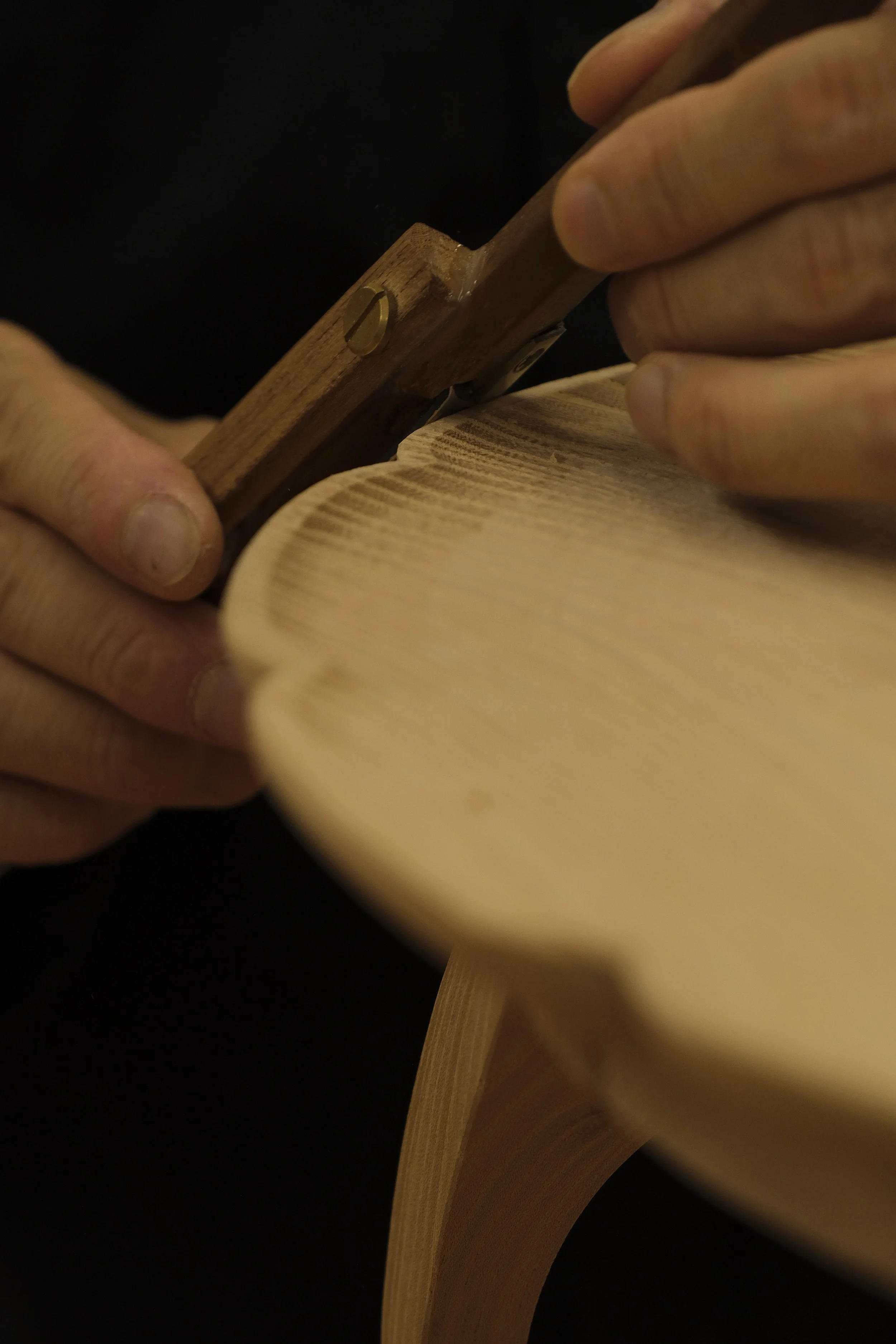
making the initial cut, and then planing the surface of the top.
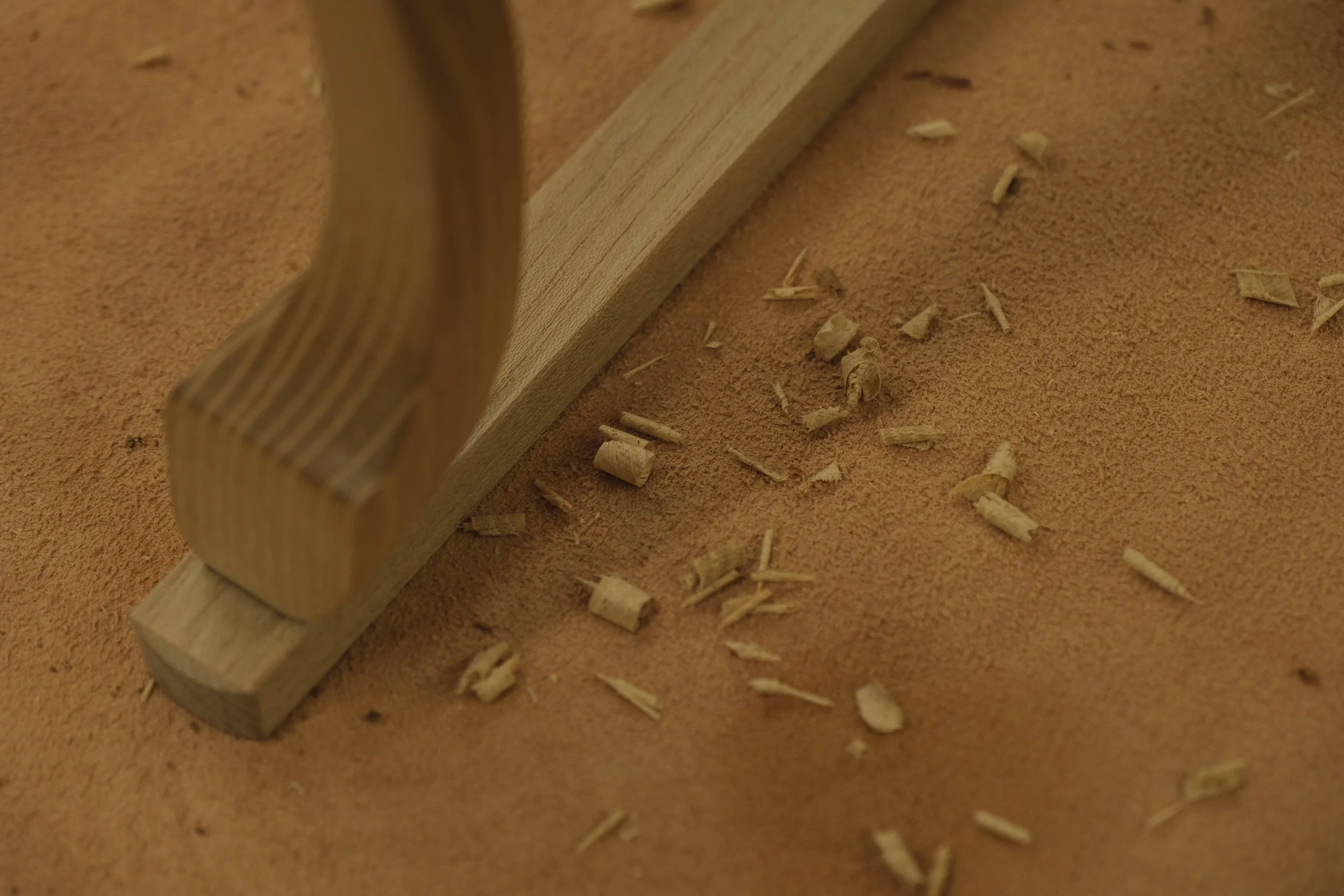
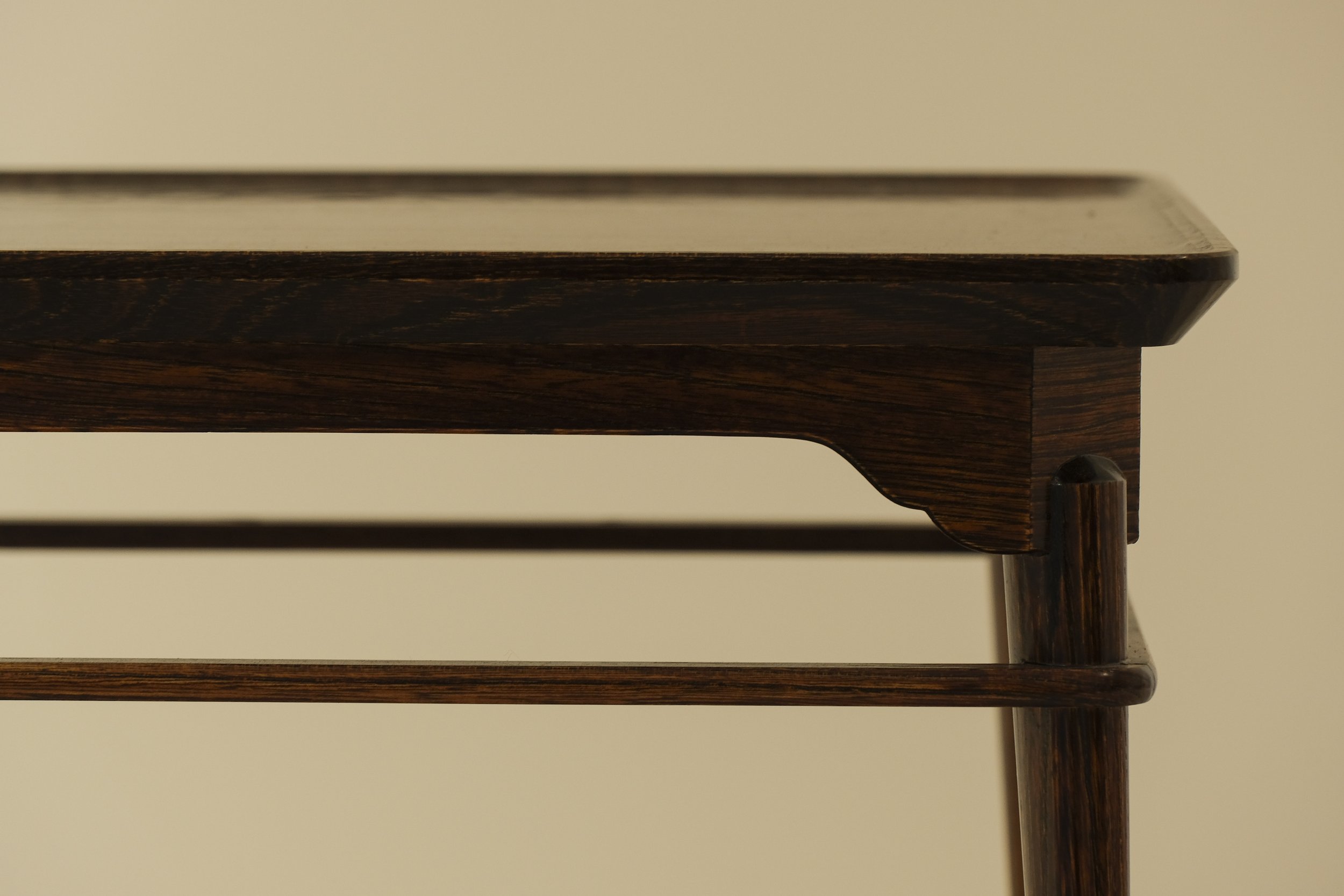
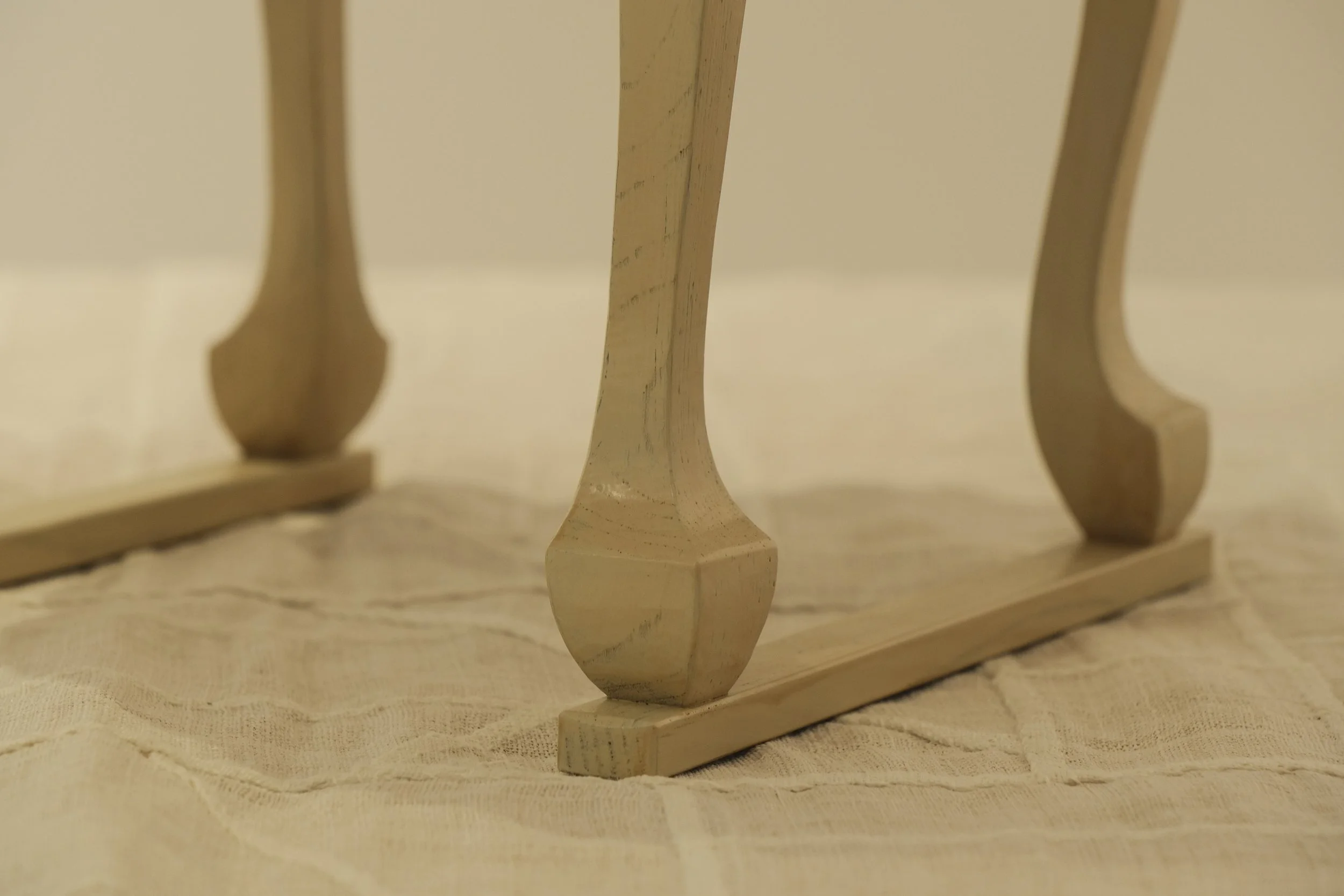
After that, he hollows out the interior, designs, and assembles the legs.
The technique he uses is known as "gal-ijil" in Korean and "wood turning" in English. It involves securing a piece of wood to a rapidly spinning machine, similar to a potter's wheel. A knife is then used to carve the wood from the outside toward the center.
This technique requires considerable skill as it takes into account the properties, grain, and resistance of the wood. Perhaps this is why the number of skilled woodturners is declining.
Due to the limited amount of wood available from a single tree, he typically produces only one or two tables at most.
Instead of sanding the surface, he shapes the wood by hand using a small plane, keeping the edges as thin as possible and applying minimal lacquer. This approach allows the natural beauty of the wood to remain the focal point of the piece.
His method preserves the wood's natural texture while maintaining its original appearance. He handles the entire process himself, and it takes about a year to complete each item. This care and effort make it worthwhile to order and wait a year for the final product.
Born 1973
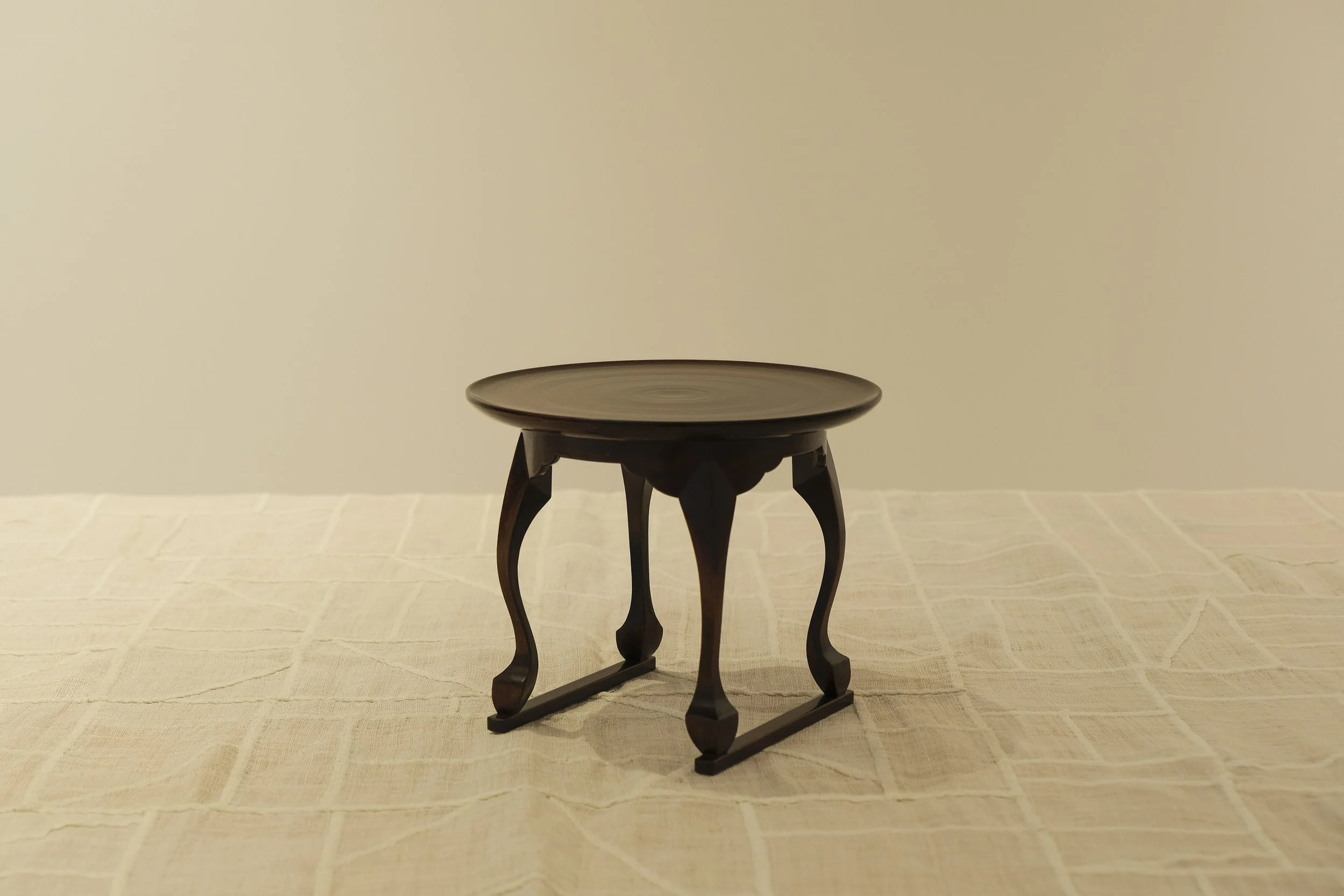
Soban_Dark brown
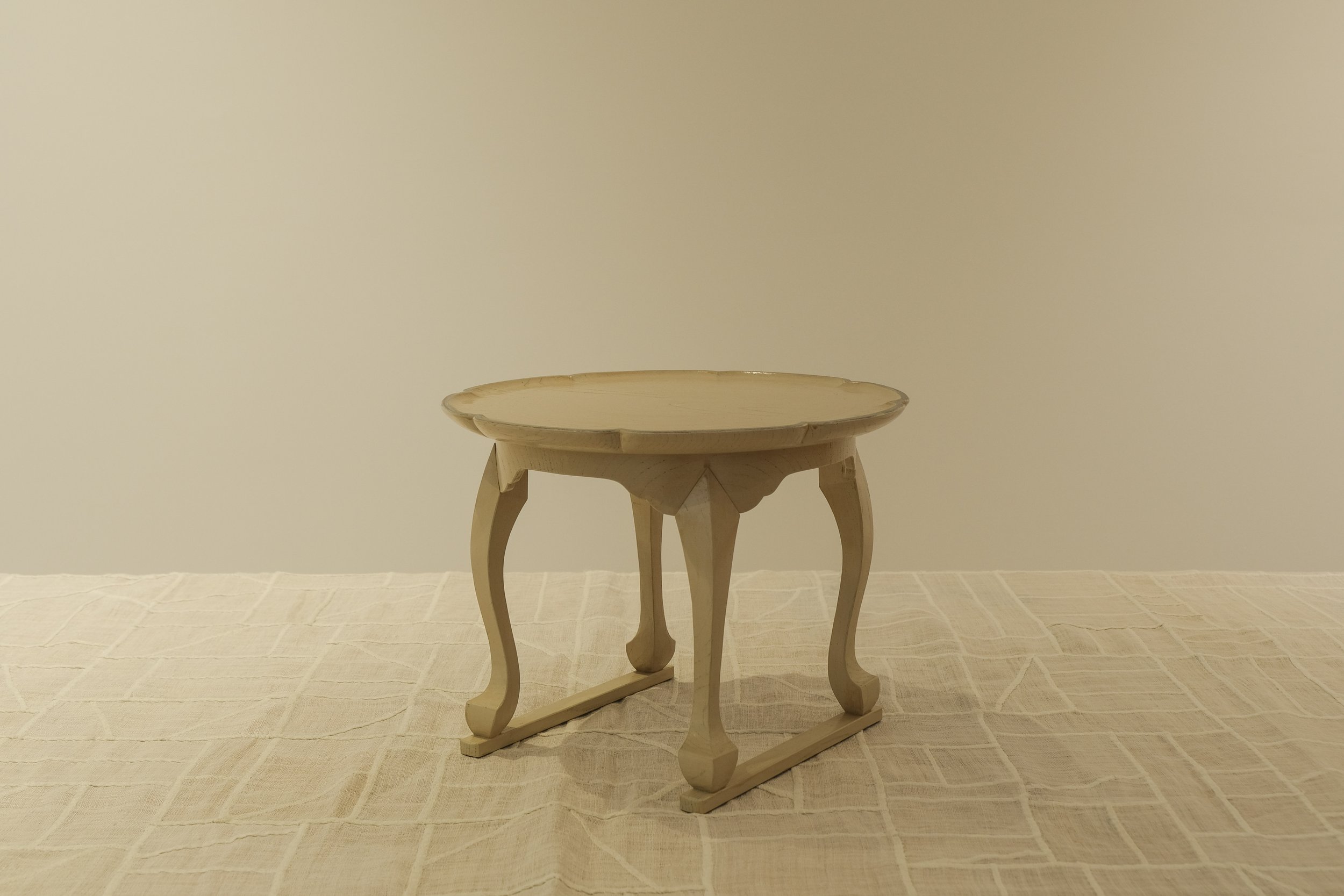
Soban_Beige
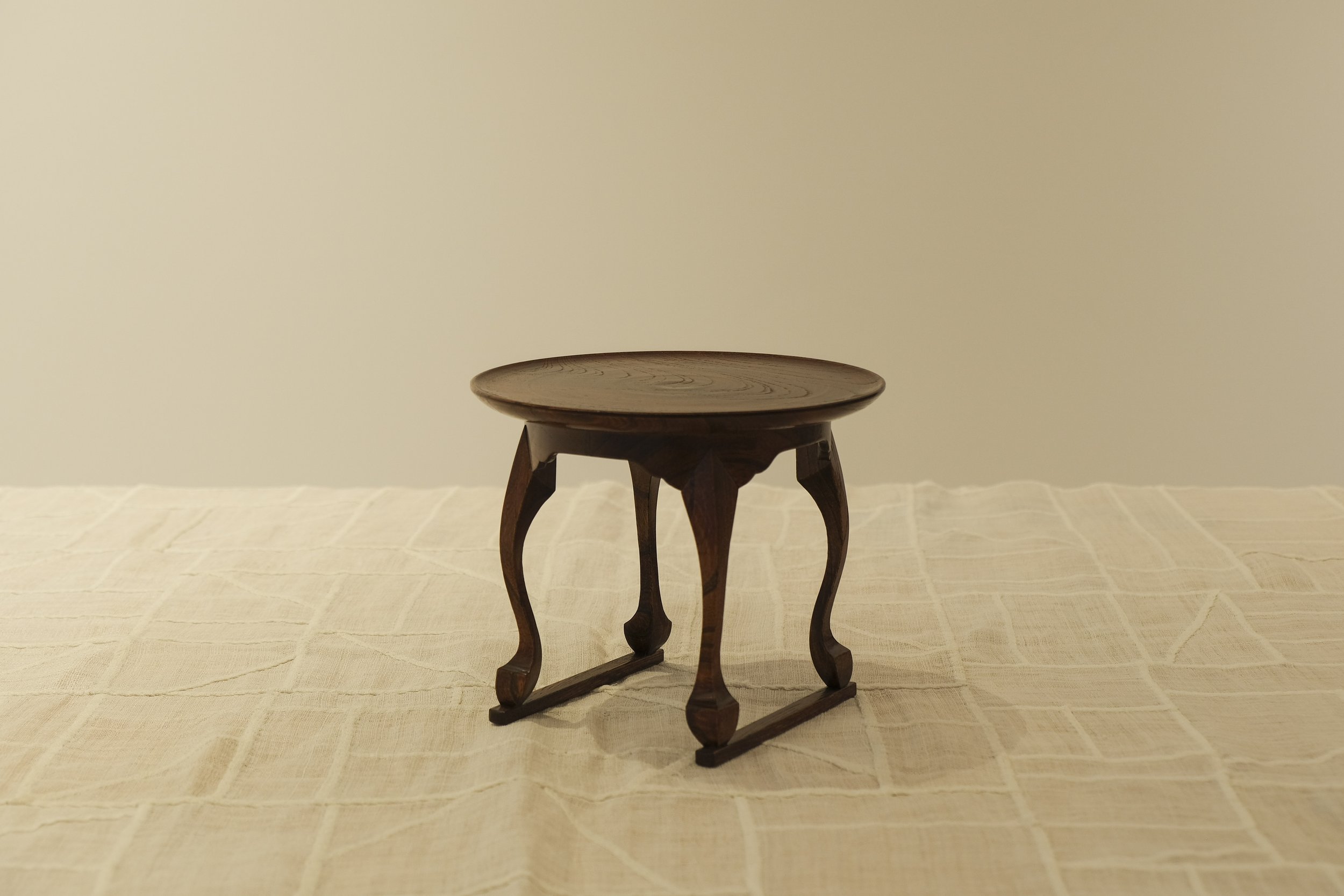
Soban_Light brown
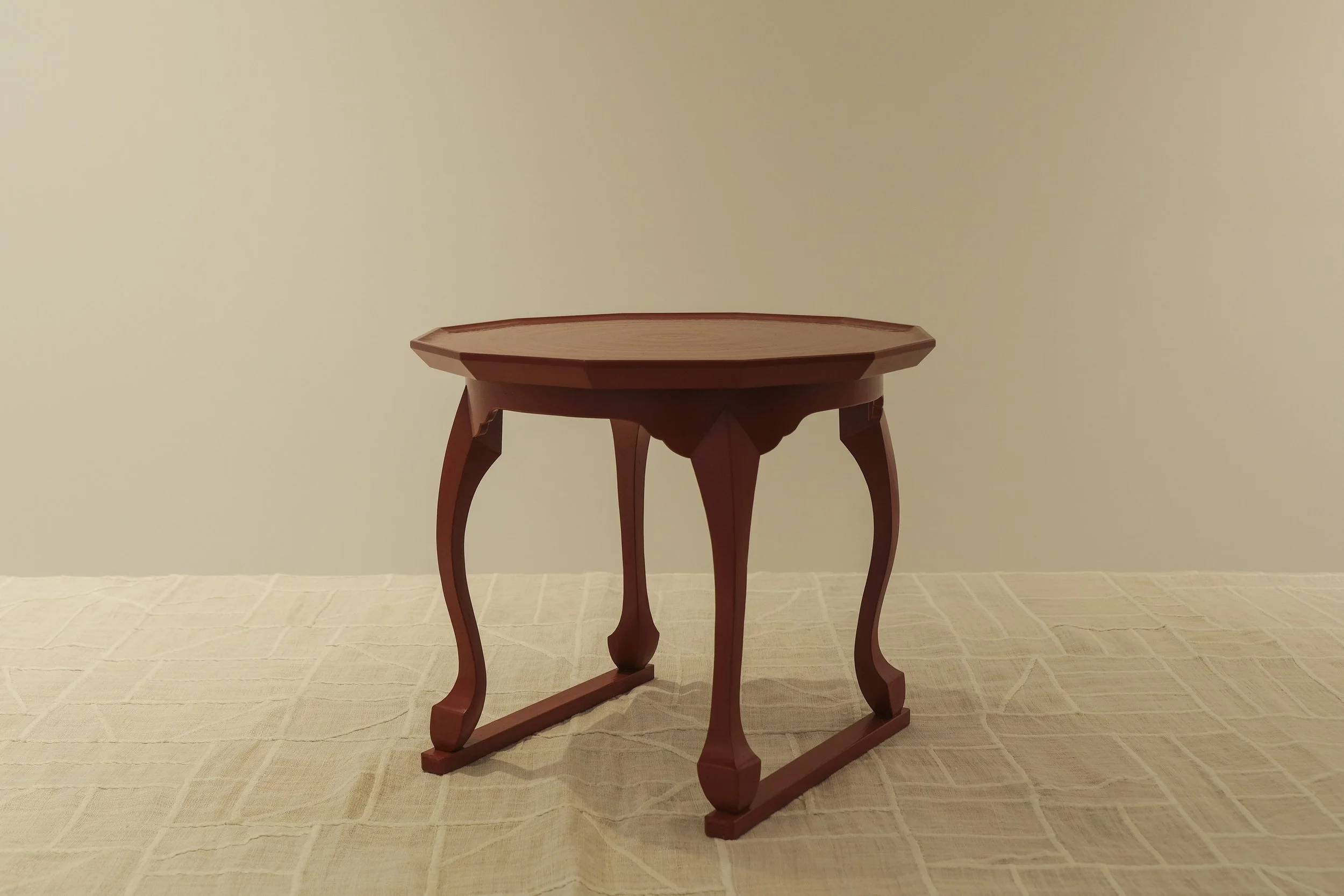
Soban_Red
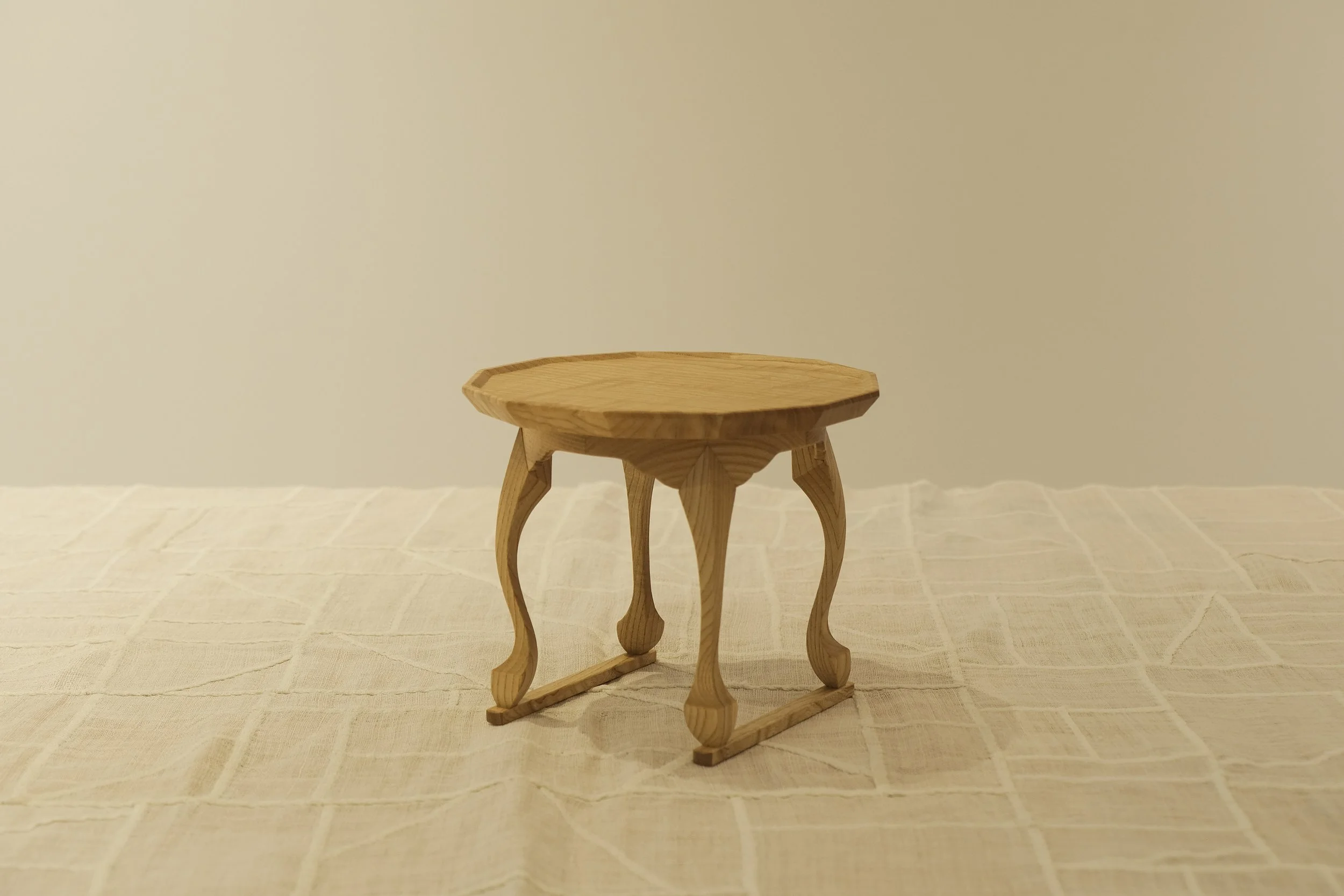
Soban_Natural