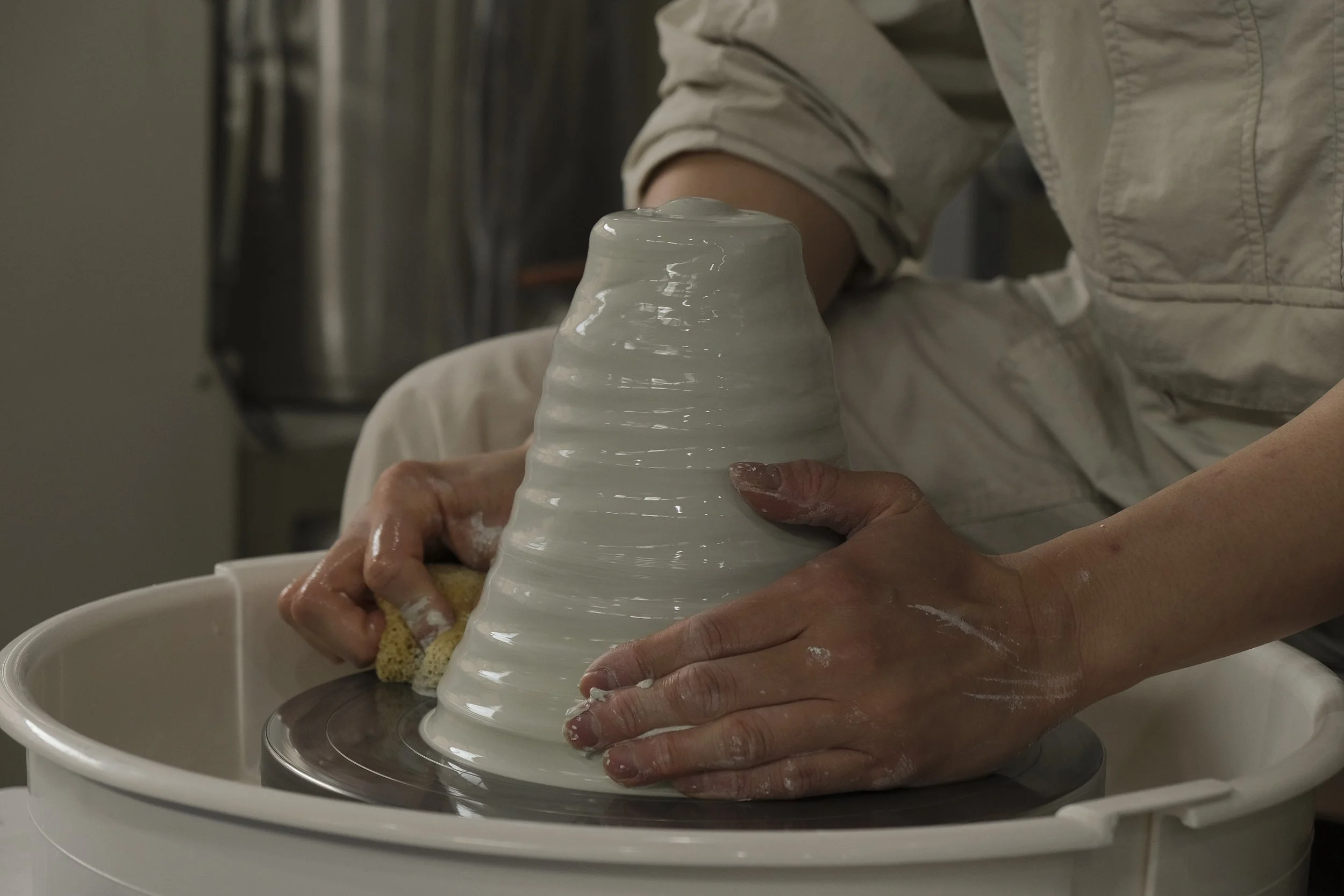
Ceramic
The first celadon (Chungja) and white porcelain (Baekja) emerged in Korea around the 10th century during the Goryeo Dynasty (918-1392). Baekja, characterized by its integrity and simplicity, aligned with the Confucian ideology that shaped the Josun Dynasty and became a defining feature of Korean ceramics.
Buncheong, a type of Goryeo celadon adorned with various designs in white clay, appeared during the Josun Dynasty. This porcelain gained popularity from the late Goryeo to the early Josun period (approximately 1450-1650). It is made by applying white clay over a gray or grayish-black clay base, followed by glazing and firing. The resulting pieces are known for their free-spirited, folk-style patterns that are cheerful, innocent (mooshimham), witty, and boldly concise, reflecting the essence of traditional Korean art.
Common motifs found in these ceramics include peonies, peony leaves, lotus flowers, willows, chrysanthemums, and fish.
Senrikyu (1522-1591) is celebrated for establishing the culture of the Japanese tea ceremony, particularly the concept of wabi-sabi tea. He was greatly impressed by ceramic tableware known as Maksabal at the time, which was everyday pottery from the Josun Dynasty (1392-1910). Unlike the luxurious celadon or white porcelain, this pottery was designed for everyday use by ordinary people. It features a rough, free aesthetic and a natural shape that gives the impression of being handcrafted.
The "Ido-dawan" refers to a teacup from the Goryeo Dynasty, which he praised as the best in the world, is currently designated as a Japanese national treasure.
Korean ceramics, which were nearly forgotten during historical hardships, are now experiencing a revival due to the diverse creations of various artists.
We are honored to have the opportunity to introduce Korean ceramics through Dabang's curation, which remains relatively unknown to the world.
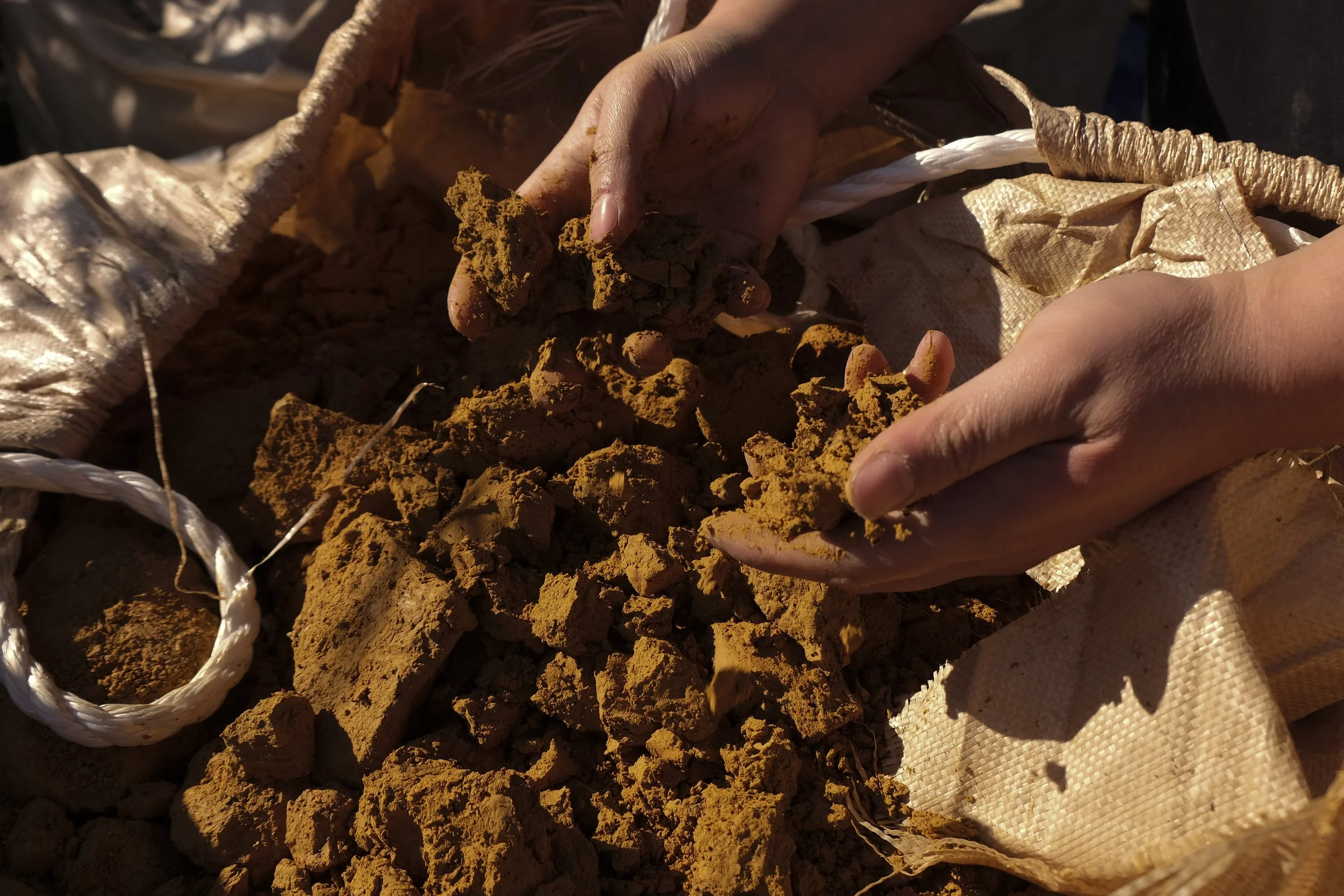
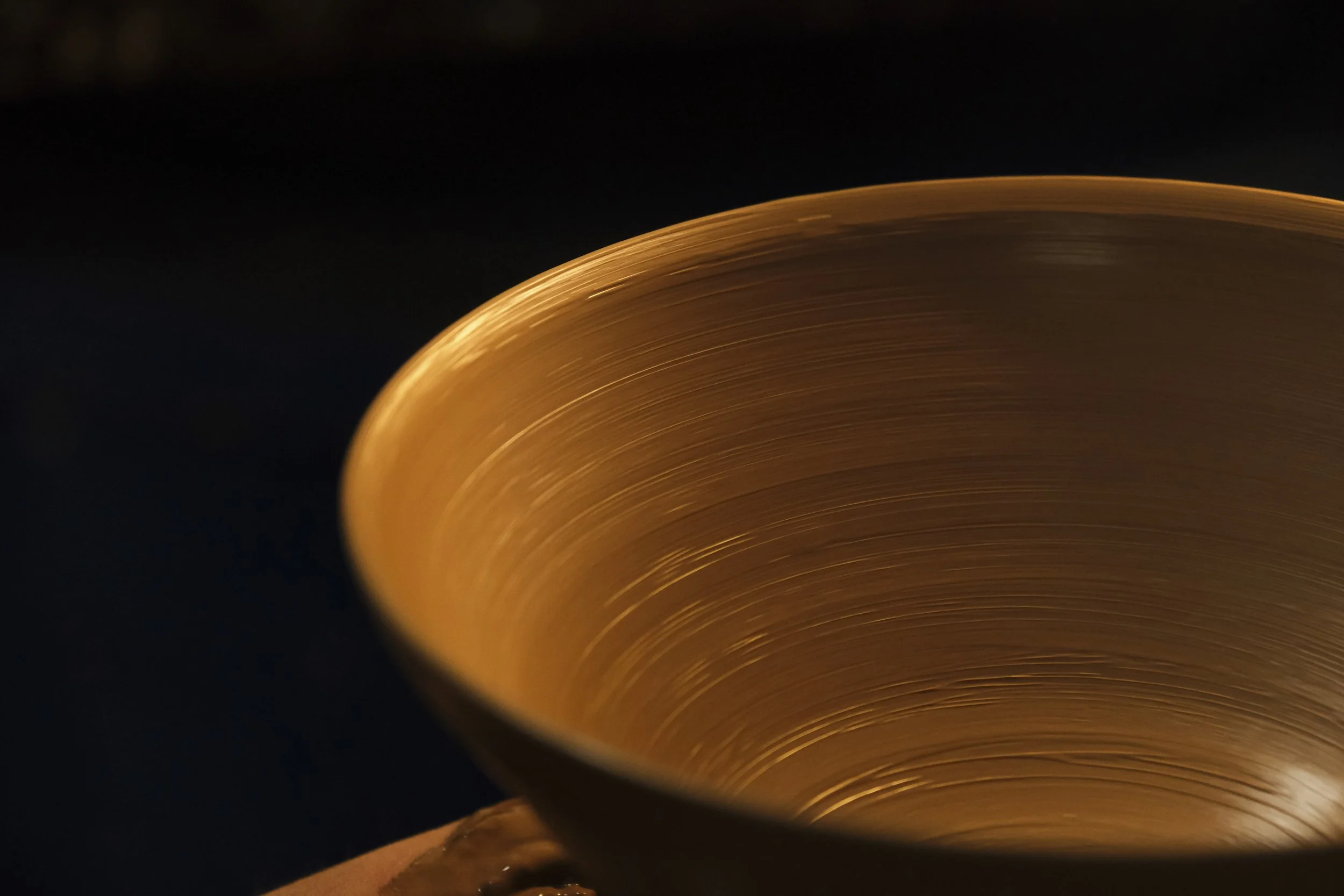
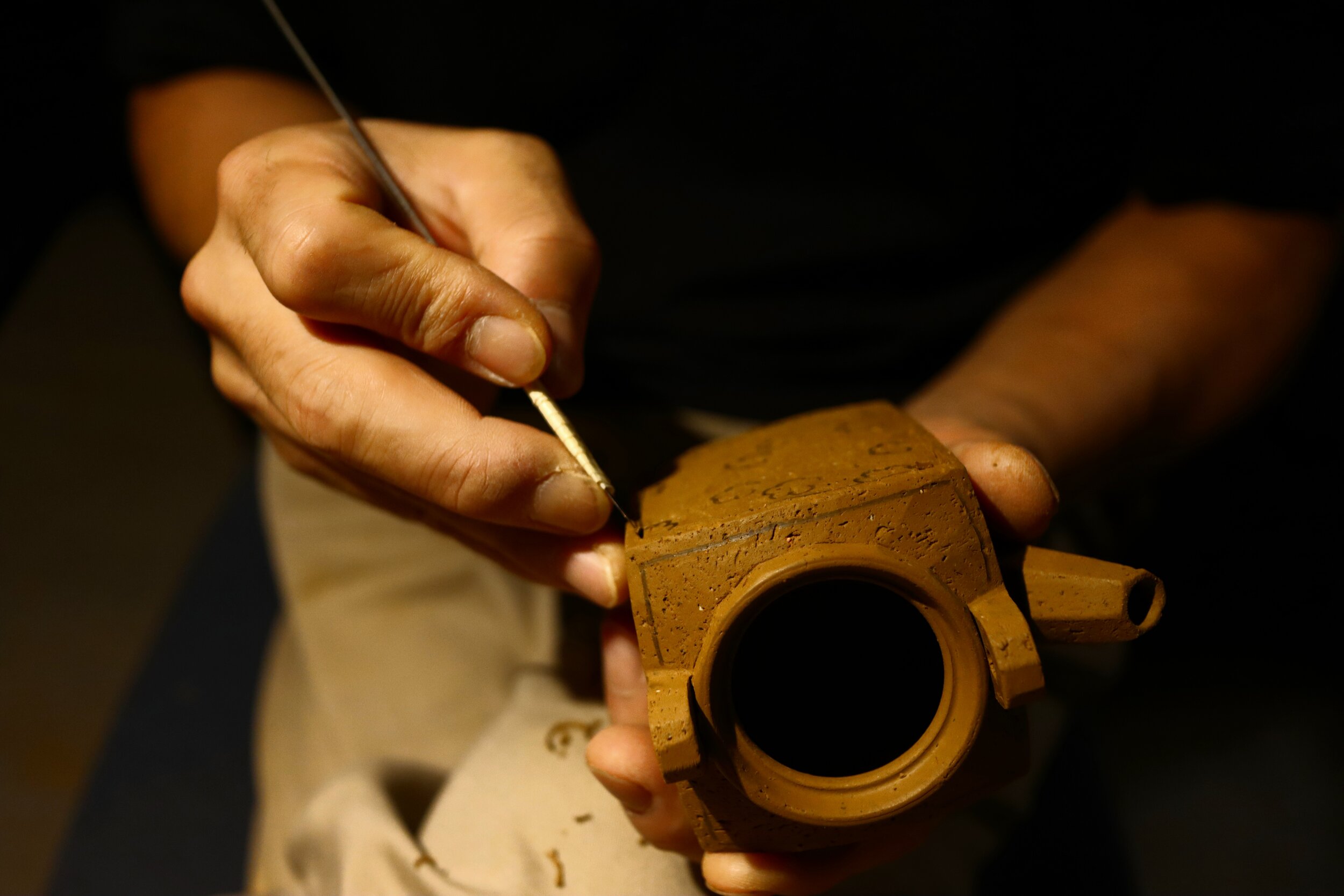
Wood
Korea, known for its rugged mountains and distinct four seasons, is home to over 1,000 diverse tree species. Wood is a common and readily available resource, with numerous applications in our daily lives, ranging from building materials to furniture, tableware, stationery, musical instruments, tools, and farming equipment. As a result, wood processing technology has been developed early on, allowing for the identification and appropriate utilization of the unique characteristics of each type of wood and its various parts.
Korean woodworking has evolved uniquely, reflecting regional characteristics that suit the local environment and lifestyle.
The most notable characteristic of Korean woodworking is its remarkable durability, which is a result of Korea's significant seasonal temperature variations. Traditional Korean wooden furniture is crafted entirely from woven materials and does not utilize nails. This is one reason why traditional Korean houses, known as hanoks, are often regarded as crafts rather than just architecture.
By employing a weaving technique, the wood can shrink and expand in response to temperature changes while keeping the weave secure. This ensures the furniture remains durable over time.
The columns and floor panels are made of different woods, taking into account their individual characteristics, making the work more solid.
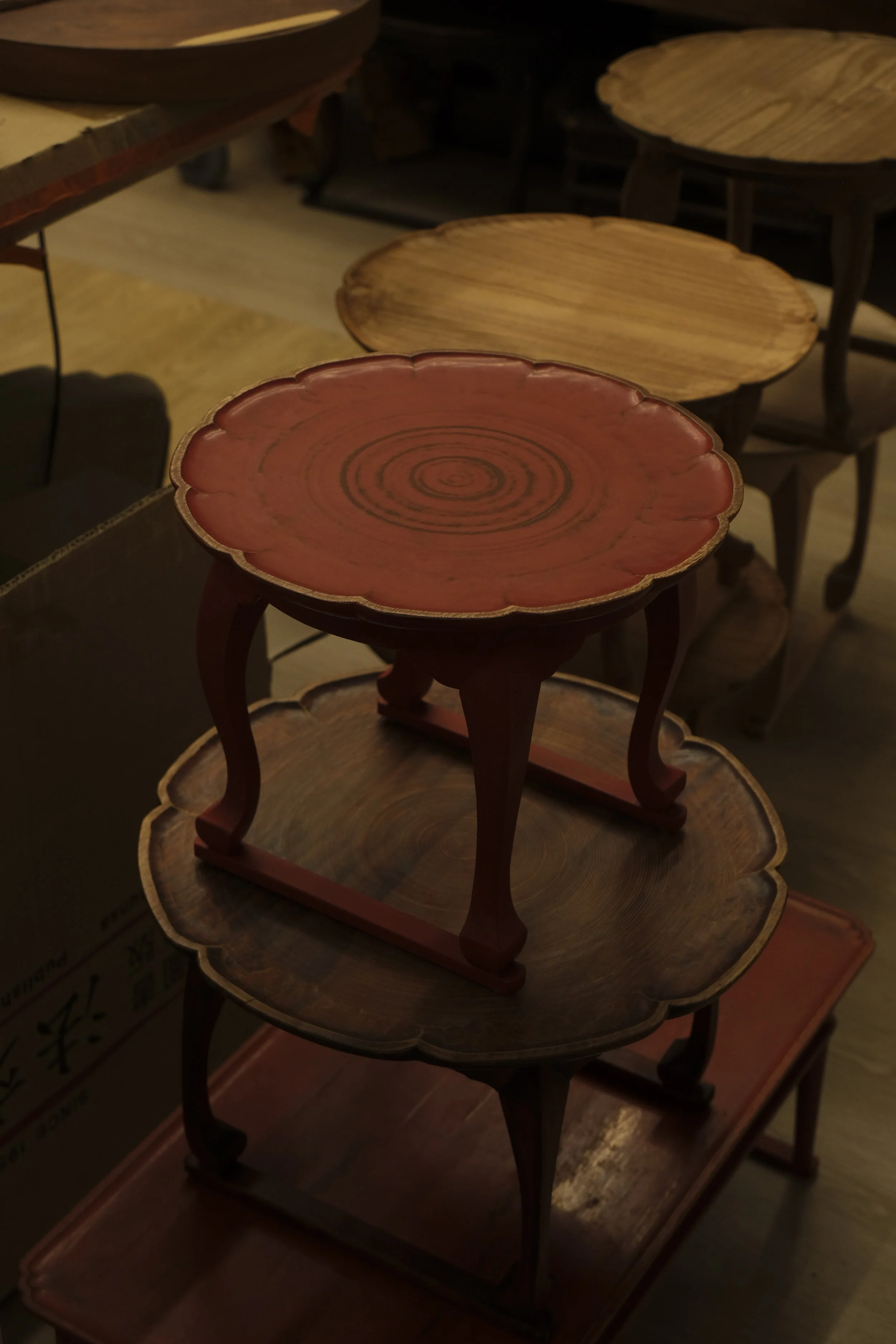
Among the artworks of the Josun Dynasty, woodwork, in addition to Baekja and Boonchung, best represents the essence of Korean beauty, characterized by refined and unpretentious elegance.
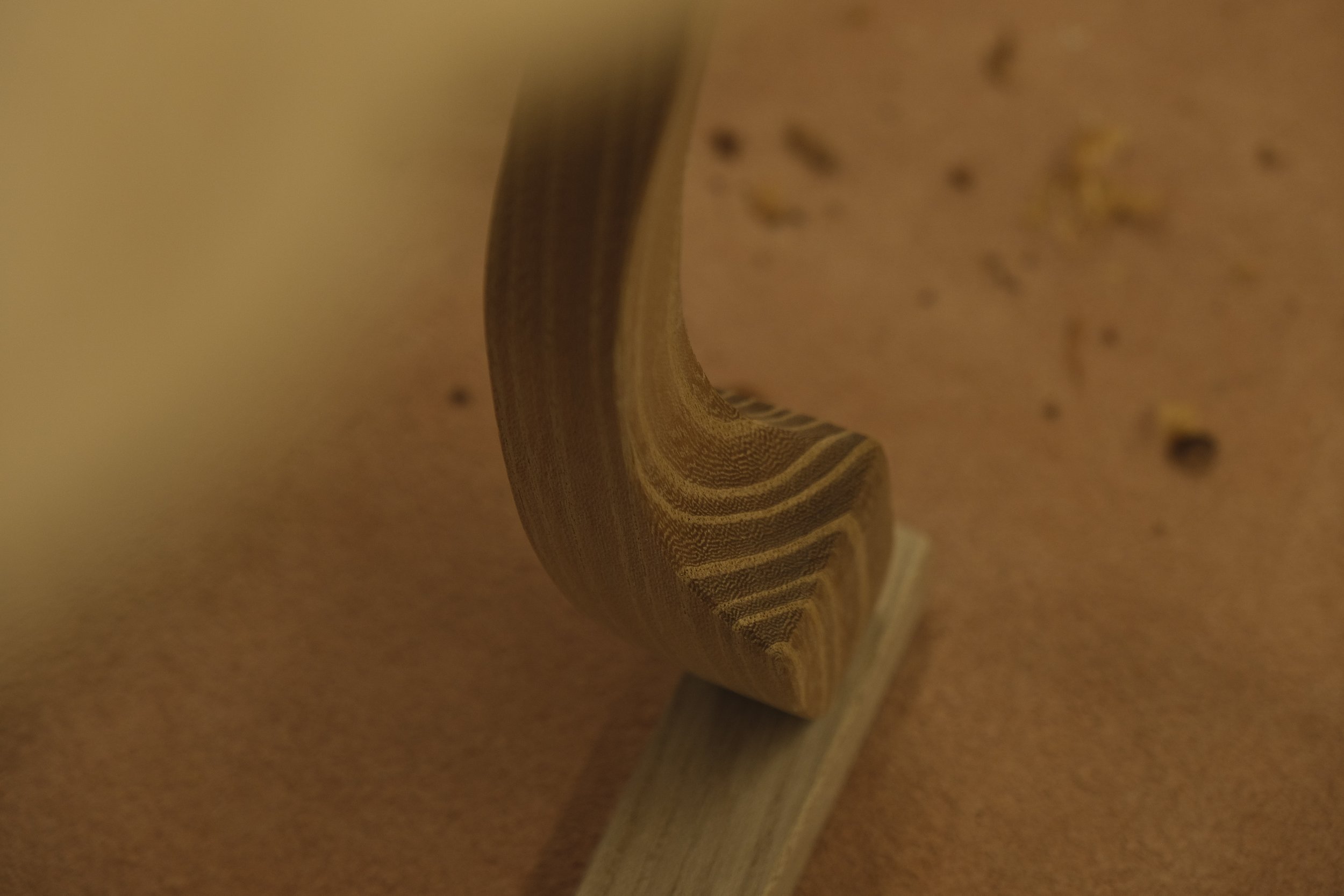
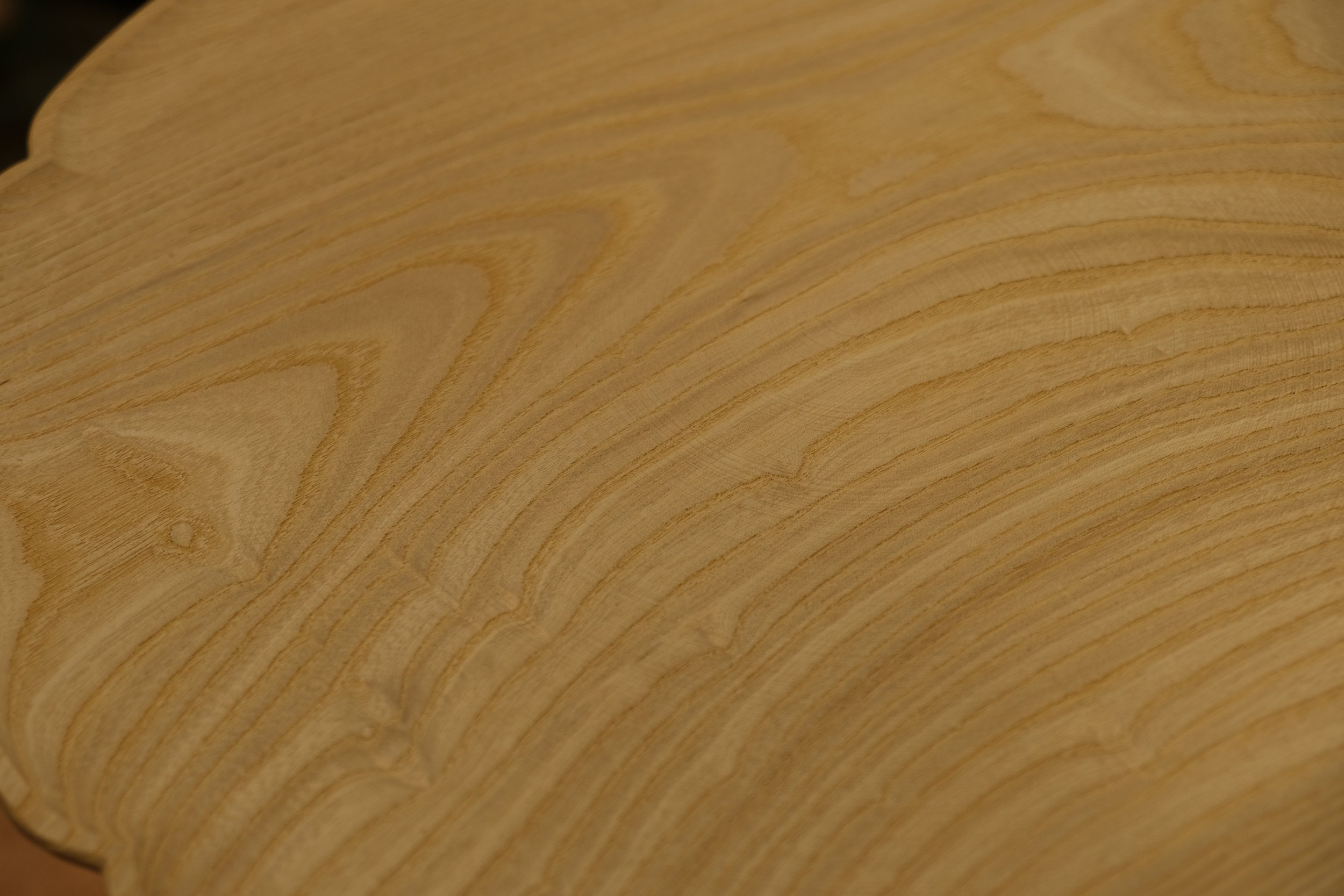
Our woodwork minimizes artificial decoration, emphasizing the natural grain of the wood to showcase simple lines and surfaces. Its simplicity, natural beauty, and sculptural qualities are distinct hallmarks.