

Beyond Taste: The Wellness Legacy of Korean Tea
“Dabang,” meaning “tea room” in Korean, has served as a lively pillar of Korean culture since the Goryeo Dynasty (918–1392).
It captures the highs and lows of people’s lives across history, serving as a hub for writers and artists to debate timely issues and artistic matters
amid difficult periods, such as the Japanese colonial era, while promoting the sharing of thoughts.
It further offered a venue for people to experience modern advancements and delve into the arts.
We are delighted to present this beloved but underappreciated aspect of Korean tea tradition.
Dabang takes pride in being the exclusive U.S.-based Korean tea enterprise, growing and packing our premium teas in Gyungjoo, and shipping
supreme freshness and excellence right to your door twice weekly!
Our teas are crafted with a philosophy as pure and open as the sky. Each leaf is treated with sincerity, reflecting the tea master’s clear and honest spirit.
하늘
땅
Nurtured by the fertile earth of Korea,
our teas carry the strength of the land.
They embody centuries of tradition and
the cultural heritage of Korean tea.

Like flowing water, our teas bring harmony and restoration to the body and mind.
Every cup offers a moment of natural healing and inner balance.
물

불
Infused with the vibrant energy of nature, our teas awaken the senses. Each sip delivers warmth, vitality, and the power of life itself.
The Legacy of
Wellness and Simplicity
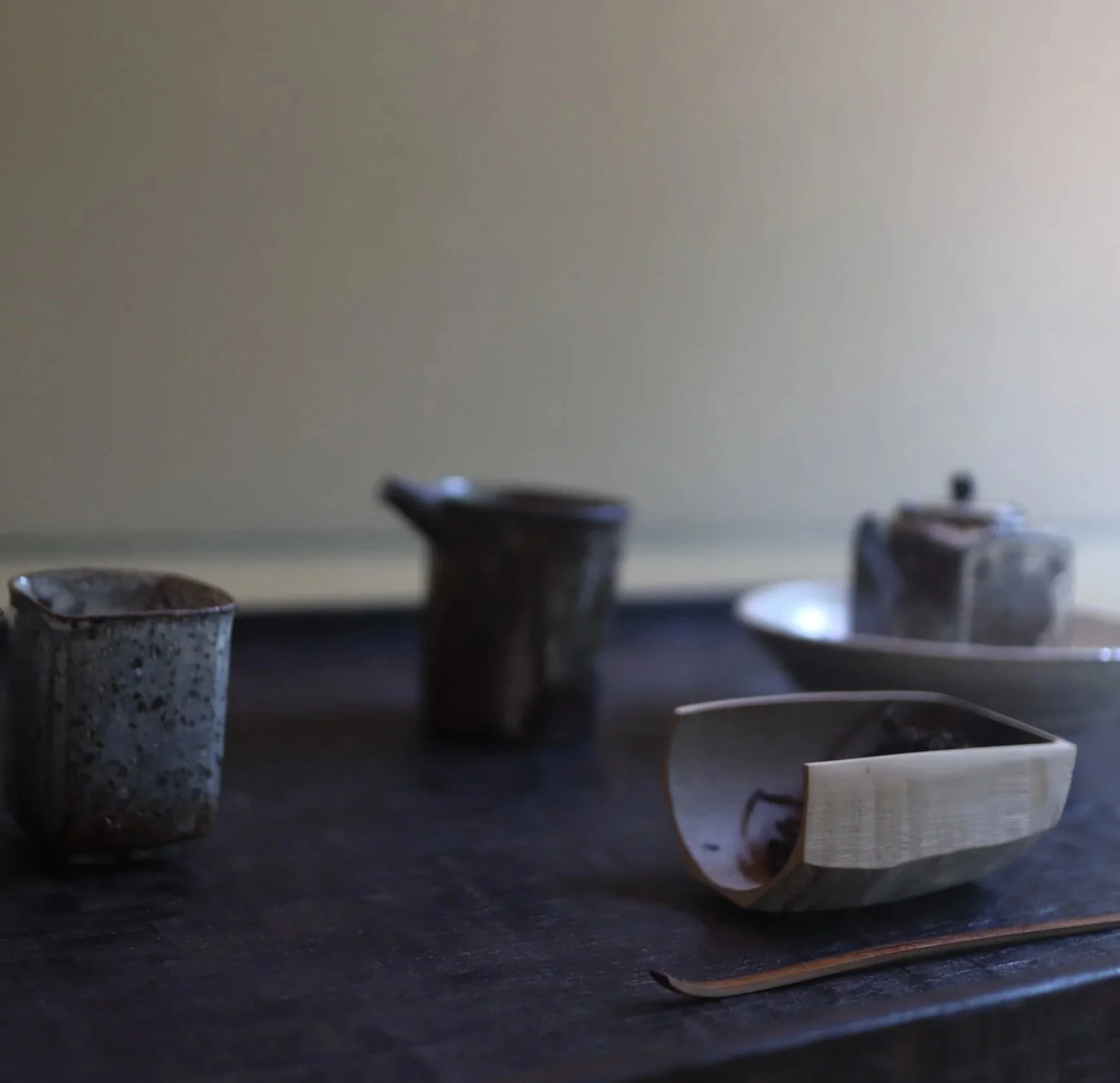
In Korean tea culture, etiquette plays an important role, uniquely expressed through the tea ceremony known as ‘DaYe.’
This etiquette affects every tea tool and procedure used in tea preparation and service. The most important thing at DaYe is to enjoy drinking tea in a comfortable and relaxed manner.
Korean tea is known for its simplicity and straightforwardness, having been a staple in people's daily lives for 100 years.
It typically refers to beverages brewed from actual tea leaves. However, we also have Daeyong tea made from flowers, fruits, stems, and other parts of plants.
These teas can be categorized into herbal teas, flower teas, fruit teas, and grain teas. One of their main benefits is that they are caffeine-free, which can offer mental and physical relief for those experiencing stress, expanding the wonderful world of tea at the same time.
You can enjoy a diverse range of teas, with many Koreans focusing on the health benefits they offer rather than just the tea itself.
As we explore Korean tea, it is essential to recognize the impact of the "Donguibogam," which was designated a UNESCO World Heritage Site in 2019. This remarkable text, created by Dr. Heo June during the Josun Dynasty, offers a holistic view of health, merging the physical and spiritual aspects of healing. It aimed to make healthcare more accessible by highlighting practical herbal remedies and encouraging individuals to take an active role in their well-being.
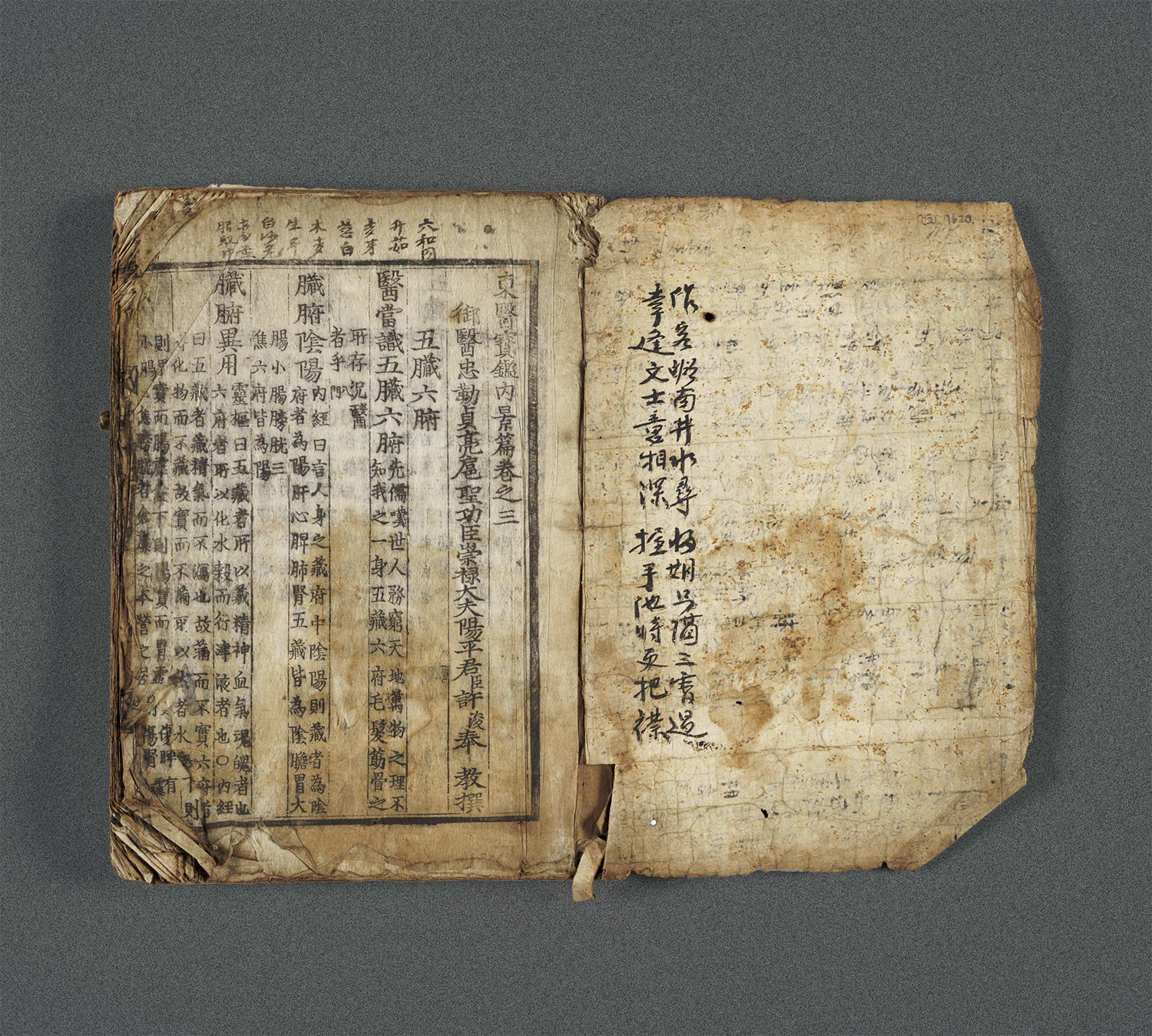
This work, "Donguibogam", was created by the National Museum of Korea and is licensed under the KOGL Type 1 (Attribution Required).
You can download the original content for free from the National Museum of Korea website:
https://www.museum.go.kr
.
The Donguibogam
The Donguibogam is a comprehensive collection of medical wisdom compiled for the people of the Josun Dynasty.
It embodies Heo June’s humanitarian spirit that medical practices should apply to all ordinary citizens, not just a select few in power.
The Donguibogam suggested prescriptions centered on herbal medicines widely accessible throughout the Josun Dynasty to dispel concerns that rare medicinal ingredients could be colluded with power.
This approach significantly contributed to the democratization of medical practice. As a result, Koreans have predominantly consumed common and familiar teas since childhood. For instance, they might drink sook tea if they have digestive issues, or doraji tea for respiratory problems. Growing up hearing about the benefits of these teas means that many of these things are known as basic knowledge among the general population.
The Korean Food and Drug Administration's standards for teas are based on whether they are recorded in the Donguibogam, illustrating the substantial influence the Donguibogam has had on Korean traditional medicine and continues to have today.
Rooted in Donguibogam
Our tea cultivation and processing methods are deeply rooted in the principles of Donguibogam, the foundational Korean medical text from the 17th century.
"Drinking tea in the morning instills confidence for the entire day. Savoring tea at noon makes work a pleasant experience, while enjoying it in the evening refreshes the mind and eases fatigue."
by Dr. Heo June